

Some of Australia’s leading health and life sciences organisations are urging Treasurer Jim Chalmers to review the changes to research and development taxes proposed in his budget.
Sector advocates say while they’re concerned over a number of Dr Chalmers’ latest tax initiatives, the move to limit a long-standing refundable offset for less-established R&D companies is especially unworkable.
They say restricting the mechanism would ignore the fact that it routinely takes more than a decade to progress life-changing and life-saving health discoveries while navigating clinical, regulatory and market pathways.
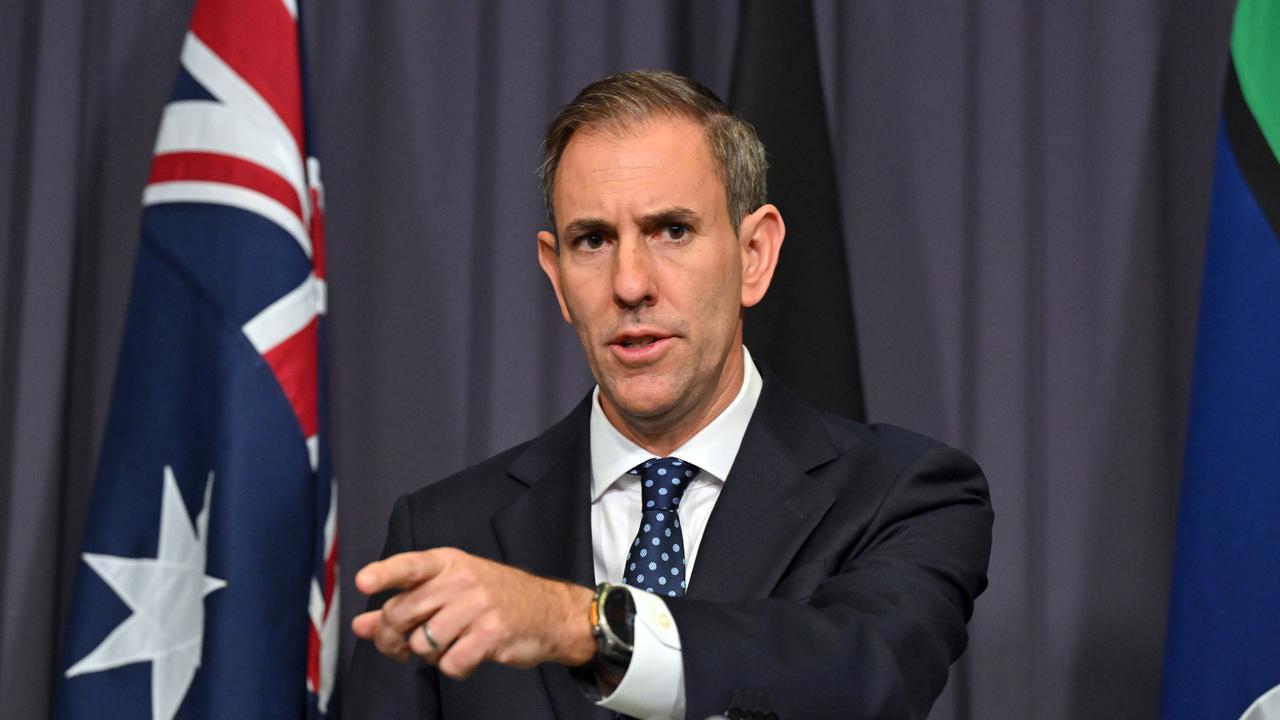
Nine biotech, med tech and health tech companies have petitioned the treasurer, seeking an urgent rethink.
The so-called research and development tax incentive was conceived to encourage businesses to invest in innovation by allowing them to offset a percentage of their eligible R&D costs, either by reducing their corporate tax liability or receiving a direct cash refund.
Dr Chalmers’ economic roundtable last July was told Australia was missing out on a $7 billion per year economic boon because it had failed to keep pace in the international R&D stakes.
Senior bureaucrats argue Labor’s tax changes in relation to negative gearing and capital gains will likely have no impact on economic growth or productivity.
However, Treasury secretary Jenny Wilkinson said on Thursday other changes in the budget, including to the RDTI, would provide a boost.

But it’s a sentiment failing to wash with AusBiotech CEO Rebekah Cassidy, who says the likely changes to the RDTI are already creating uncertainty for Australian companies making long-range decisions about where they should undertake clinical development.
”The long time-frames required to translate and develop medical research into health products for patients are not new news,” she said on Saturday.
“It is well understood by industry and government that bringing these critical health products to market routinely takes well beyond a decade.”
Ms Cassidy said a 2025 departmental paper, National Health and Medical Research Strategy Issues, averaged the time-frame at 17 years, while the Department of Industry, Sciences and Resources references a decades-long process.
”Our sector has had a longstanding, collaborative working relationship with governments, so we were blindsided by this proposed change which occurred with no consultation,” she said.

”The proposed tax change doesn’t recognise commercial timelines or our sector’s significant contribution.”
The biotechnology sector is considered Australia’s largest value-adding exporter outside traditional primary industries like mining and agriculture, and supports more than 350,000 jobs across almost 3000 organisations.
”We are struggling to understand why the government would jeopardise that by making changes that are fundamentally misaligned with long-held understanding of the commercial, regulatory and market access realities of this important sector,” Ms Cassidy said.
Comment has been sought from Dr Chalmers’ office.

Australian Associated Press is the beating heart of Australian news. AAP is Australia’s only independent national newswire and has been delivering accurate, reliable and fast news content to the media industry, government and corporate sector for 85 years. We keep Australia informed.