Australia’s share market is pointing downward, after oil prices rebounded as Iranian officials threatened to abandon US peace talks should Israel’s attacks on Lebanon continue.
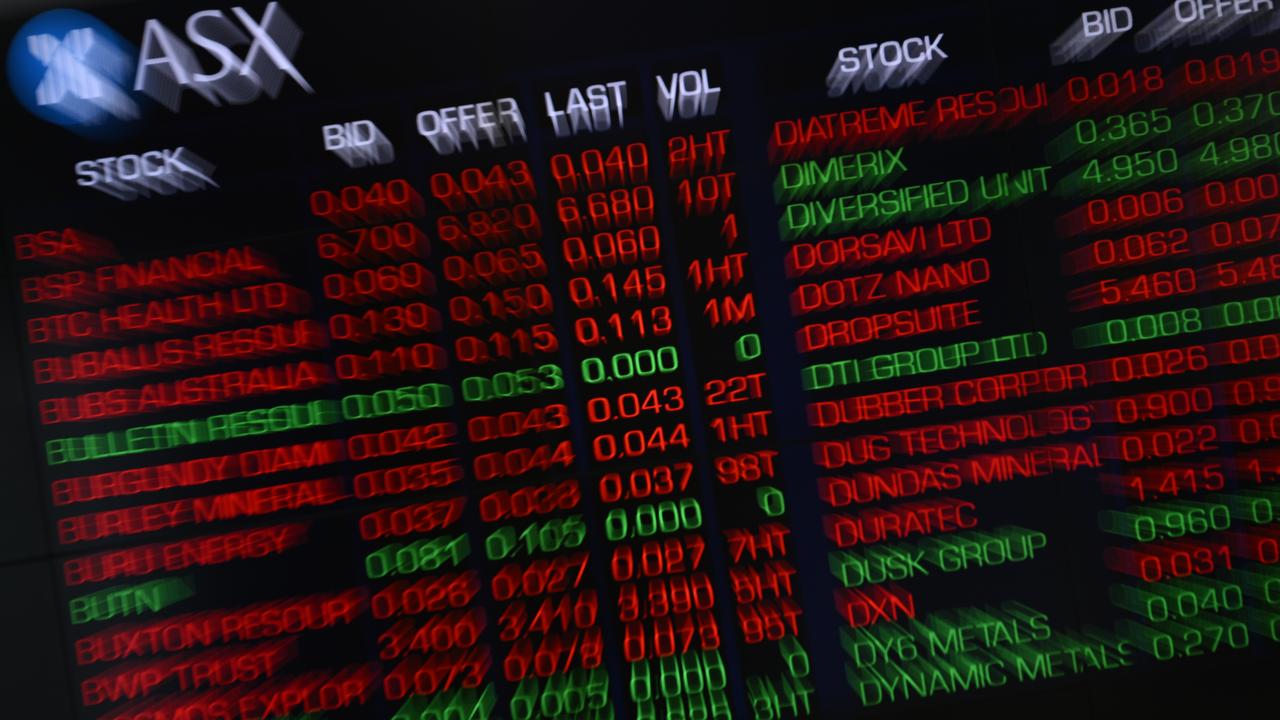
The S&P/ASX200 fell 81.9 points by midday on Tuesday, to be down 0.94 per cent to 8,647.5, as the broader All Ordinaries dipped by 83.9 points, or 0.87 per cent, to 8,891.9.
The drop came after crude oil jumped around six per cent overnight after tensions in the Middle East escalated.
“The news raised concerns the conflict could broaden, prompting fears of potential disruptions to energy supply and so driving oil prices higher,” Moomoo dealing manager Chris Strazzeri said.
Local energy stocks rose 0.9 per cent as Brent crude hovered near $US95 a barrel, as Woodside, Santos and coal miners forged ahead.
The ASX-listed technology sector rallied for a second day, to be up 2.4 per cent, after Wall Street’s tech-heavy Nasdaq index notched yet another record-high close overnight.
Financials weighed heavily on the bourse, tumbling 1.5 per cent in a sea of red that swallowed the major banks, insurers and investment firms.
Basic materials slipped 0.2 per cent, as gold miners fell and the precious metal eased to $US4,484 ($A3,854) an ounce.
Northern Star was one of the few gold producers to improve, surging by more than a tenth after hedge fund and shareholder Elliott Investment Management called for an urgent strategic review.
The big miners, BHP and Rio Tinto, offered some ballast to the broader market weakness, edging higher as copper prices appreciated.
Real estate trusts, health care, consumer discretionary stocks and utilities also dropped sharply as risk sentiment continued to deteriorate.
Looking ahead, investors will be closely watching Wednesday’s quarterly economic growth data to gauge Australia’s performance under the combined weight of a rate-hike cycle, energy price shock, and softening consumer confidence, eToro lead analyst Josh Gilbert said.
“The February rate hike, and the Middle East conflict, have certainly accelerated the slowdown, but it began long before either of those factors hit,” Mr Gilbert said.
“The problem for the RBA (central bank) right now is that inflation hasn’t come back to where it needs to be, even despite three consecutive rate hikes.”
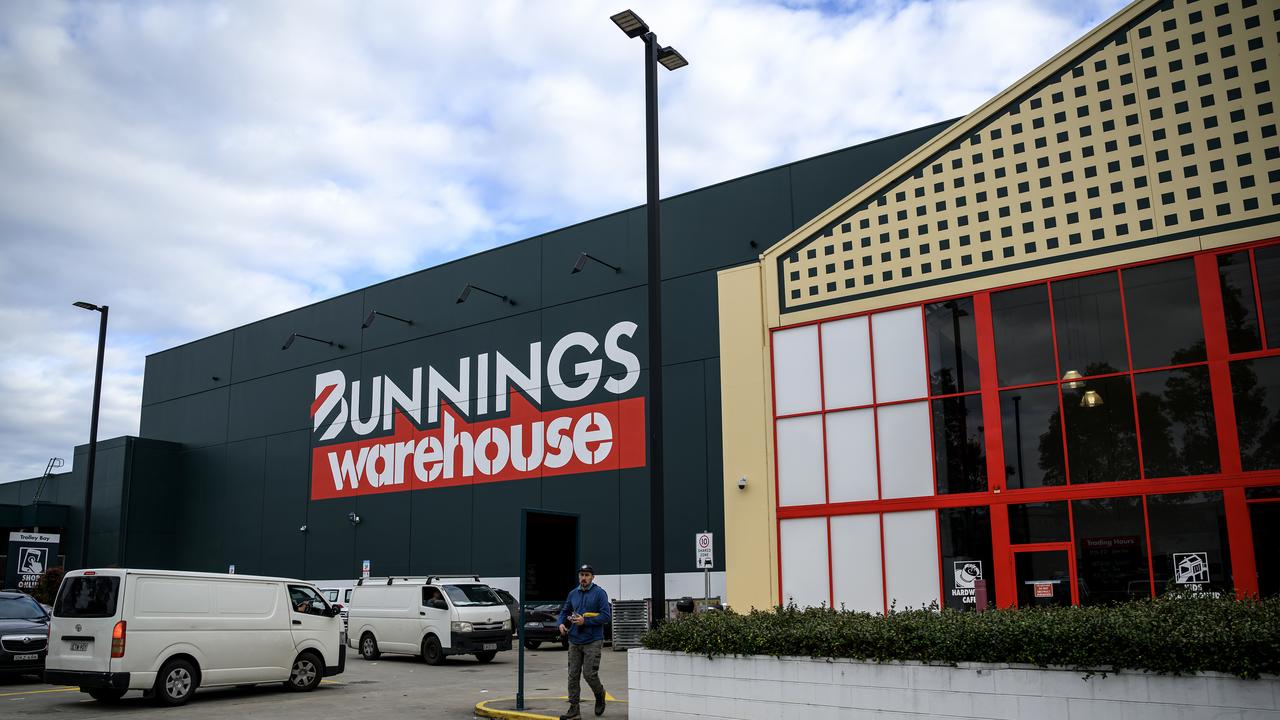
In company news, Wesfarmers shares slipped 1.7 per cent to $78.42 after announcing it will move its industrial and safety businesses, Blackwoods and Workwear Group, into its Bunnings business.
Imaging company 4DMedical gained almost two per cent after launching a clinical evidence program designed to fast-track its entry into the $US2.5 billion ($A3.5 billion) acute pulmonary embolism market.
Meanwhile, Nine Entertainment has completed the conversion of two regional TV assets, NBN (Northern NSW) and Nine Darwin, to their new owners, WIN Network.
The Australian dollar was buying 71.56 US cents, down from 70.83 US cents on Monday at 5pm.

Australian Associated Press is the beating heart of Australian news. AAP is Australia’s only independent national newswire and has been delivering accurate, reliable and fast news content to the media industry, government and corporate sector for 85 years. We keep Australia informed.