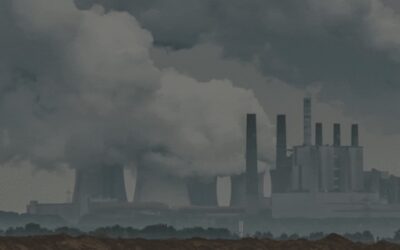
Thousands of Australian small businesses are falling behind on electrification, weighing on national climate goals and leaving manufacturers exposed to gas market volatility.
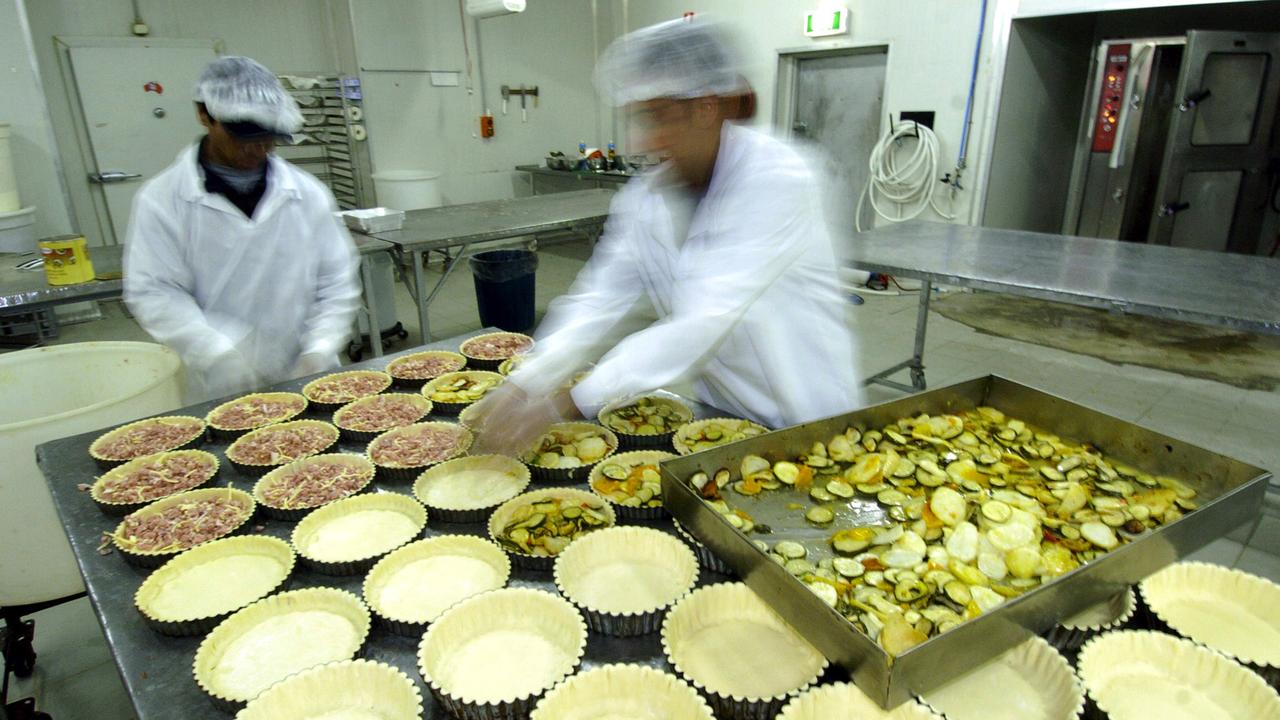
Many small and medium-sized businesses that rely on gas-powered heat to manufacture food, beverages, paper, cardboard and textiles have financially-attractive electric technologies available to them.
Yet even with projected domestic gas shortfalls and conflict in the Middle East injecting volatility into global fossil fuel markets, very few businesses are taking the leap.
This cohort are identified as a “missing middle” in decarbonisation policy making according to a report from climate and economics research institute Common Capital, with policy largely focused on households and large industrial users.
Without policy reforms, these transition projects are typically too minor for Australian Renewable Energy Agency support, but too complicated for state-based energy efficiency subsidies as currently designed.
The costs and headaches associated with connecting to the electricity network are another major handbrake.
Network providers charge all electricity users for the cost of transporting power through poles and wires, with the system built to withstand periods of peak demand to avoid blackouts.
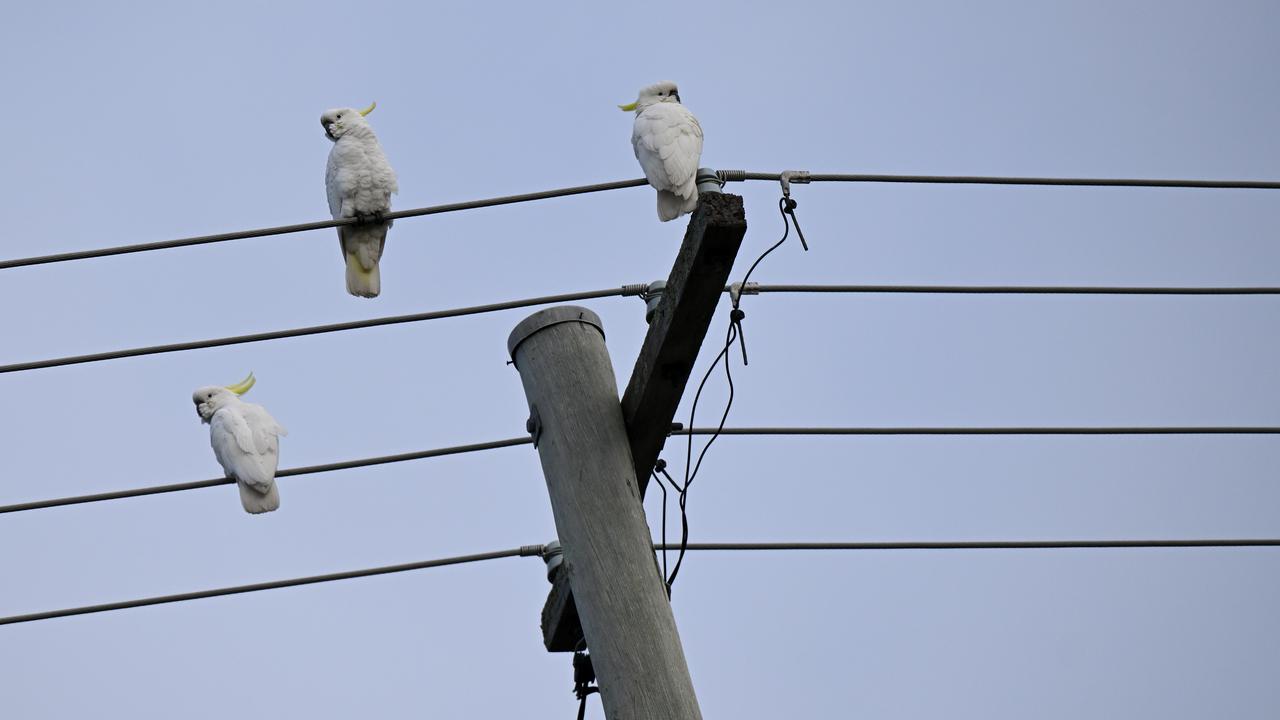
The prospect of energy-intensive industrial users electrifying their equipment can prompt network providers to investigate upgrades, leading to expensive, long-running studies and infrastructure investment that adds to costs for small businesses.
Reforms to the way networks manage costs and incentivise energy users to shift their loads around was billed as an answer by Common Capital director Henry Adams.
A handful of forward-looking network operators have already been exploring “dynamic pricing” – charging less for electricity used outside of the most constrained times on the network – and “dynamic connections” – allowing network operators direct control devices to temper loads remotely during an unforeseen event.
Mr Adams said businesses that only need low or moderate heat to process goods have the ideal technology available to them to take advantage of dynamic charges and connections.
Electric thermal energy storage systems, akin to solid batteries that store heat, can be charged during the day when solar is generating cheap energy for later use during peak times.
“You’re able to get the benefit of shifting demand to these periods of the day where we have excess capacity,” Mr Adams told AAP.
“But you are still able protect the networks against the genuine concern of disruption as, unlike a traffic jam on a road that is inconvenient, a full traffic jam on the electricity network means the grid goes down.”
Smart, flexible industrial electrification has the potential to lower power bills for households and all users, he added, by avoiding unnecessary network upgrades and using the existing infrastructure more efficiently.
Between $691 million to $899 million would be needed over the next two decades to electrify Australia’s small gas-using facilities.
The transition would deliver 41 million metric tonnes of carbon dioxide equivalent in emissions reductions and more than $6 billion in public benefits.
Australia is pursuing a 62-70 per cent cut in its emissions by 2035 as part of international climate commitments.

Australian Associated Press is the beating heart of Australian news. AAP is Australia’s only independent national newswire and has been delivering accurate, reliable and fast news content to the media industry, government and corporate sector for 85 years. We keep Australia informed.