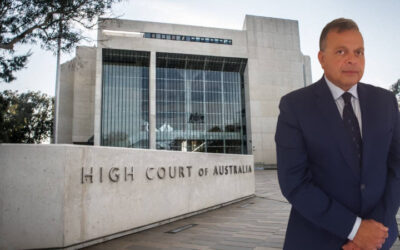

Australian planning authorities should withhold development approvals for data centres until they can guarantee the artificial intelligence models they host do not break the law.
Groups appearing before the NSW government’s data centre inquiry issued the recommendation on Friday, as well as calls to ensure developers used renewable energy to power data centres and were not able to evade planning laws.
But a lobby group for the booming industry said the amount of water used in data centres had been exaggerated, and establishing more local facilities would allow Australia to have greater control over the future of AI.
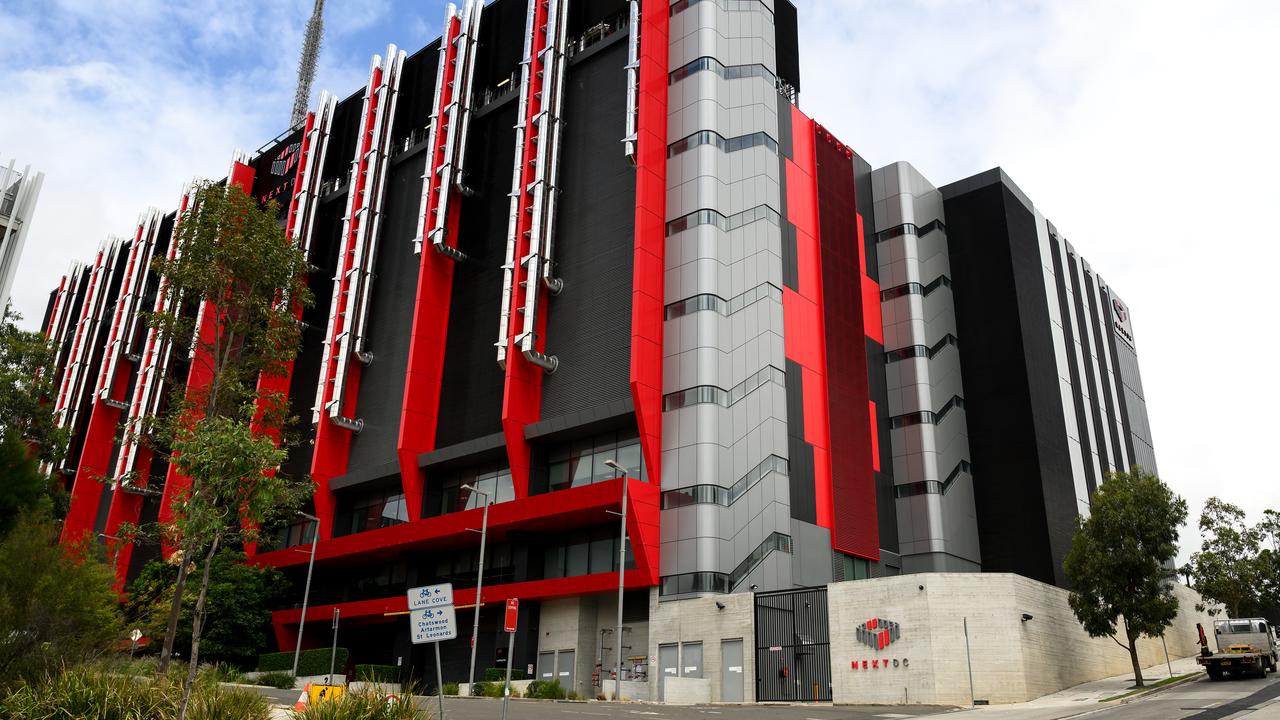
Three groups appeared at the first hearing of the NSW Legislative Assembly inquiry, which was established in January to investigate whether the state was equipped to handle the environmental and economic impacts of data centre development.
Ninety data centres have been established in NSW – more than any other state – as companies strive to meet demand for artificial intelligence technology.
But some generative AI firms have trained their models using Australian creations under copyright, Australian Writers’ Guild group chief executive Claire Pullen told the inquiry, and had resisted efforts to reveal, licence or remove the content.
Australian governments could force their hand, she said, by using development planning laws.
“A relatively low-effort piece for government, frankly, is just to say until you have made these disclosures or quarantined these particular models or types of data, your planning approval won’t go ahead for the data centre,” she said.
“There would be a way to give preferential treatment around planning and procurement to tech companies that are prepared to certify that all the data in their centres is ethical and that models that they’re running in their centres are free of stolen work.”
Other considerations for approving data centres should include commitments to use renewable energy and meet existing planning laws, Protocol Policy Lab research officer Devjeet Matta told the committee.
In Singapore, for example, data centres are approved if they can meet established benchmarks, and the UK provides incentives to build facilities near wind farms.
“There’s a real urgency in trying to get these data centres approved and ride the AI wave but, at the same time, I think it’s important to keep in mind sustainability metrics,” he said.
Belinda Dennett, who appeared on behalf of the Data Centres Australia group, said the environmental impact of data centres had been overstated.
She dismissed Sydney Water’s forecast that data centres would use 25 per cent of drinkable water by 2035 as misinformation, saying an industry report found it would be significantly lower.
“The (Australian Bureau of Statistics) water accounts show that data centre water use is 0.04 per cent of Australia’s water use and less than one per cent of Sydney’s water use,” she said.

Australian Associated Press is the beating heart of Australian news. AAP is Australia’s only independent national newswire and has been delivering accurate, reliable and fast news content to the media industry, government and corporate sector for 85 years. We keep Australia informed.