
When Tasmania became the first state to roll the clocks forward in summer 59 years go, not everyone was happy.
“Leave God’s time alone,” one person wrote to an ABC program on daylight saving in 1970.
“If God had wanted us to wake up in the dark, he would have given us cats’ eyes to help us do it more satisfactorily,” another said.
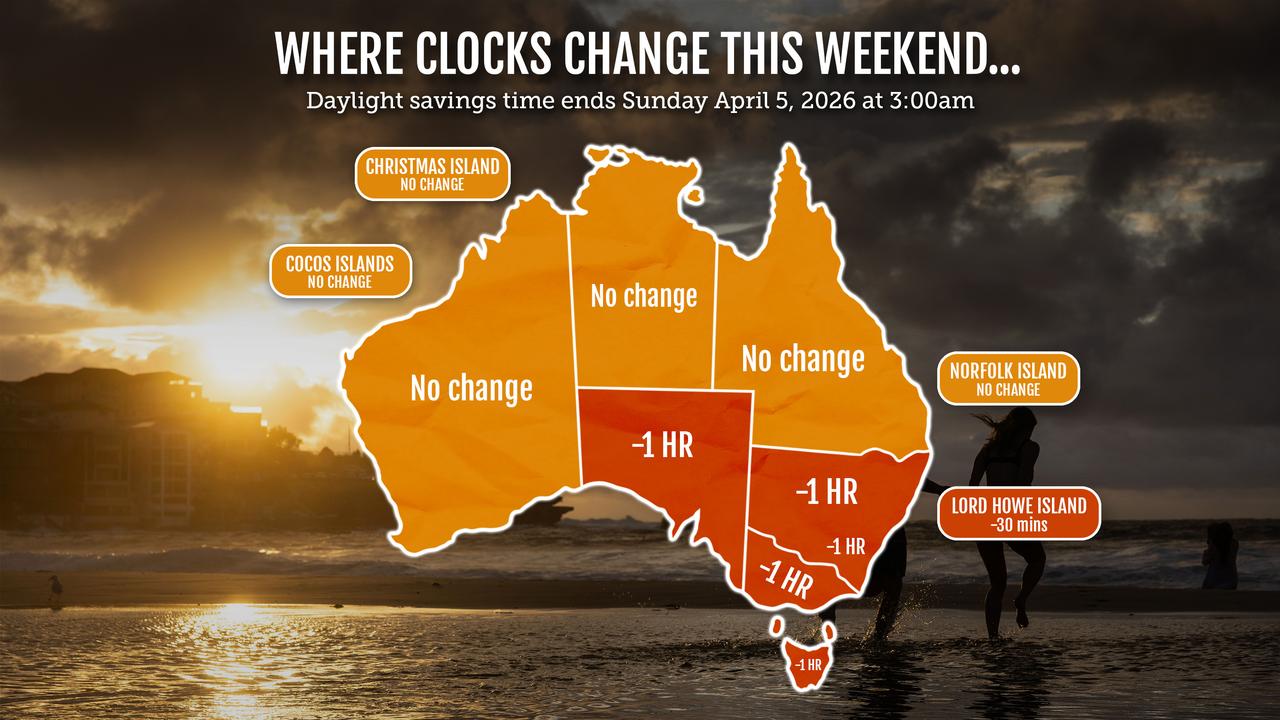
Today, daylight saving might barely be noticeable thanks to the unflinching accuracy of our smartphone clocks, which will diligently repeat an hour on Easter Sunday as states roll back to standard time.
But in the bowels of a sprawling lab complex nestled in dense Sydney bushland, Australia’s chief time boffin Michael Wouters attends to the trillion-dollar global task of keeping accurate time with atomic clocks.
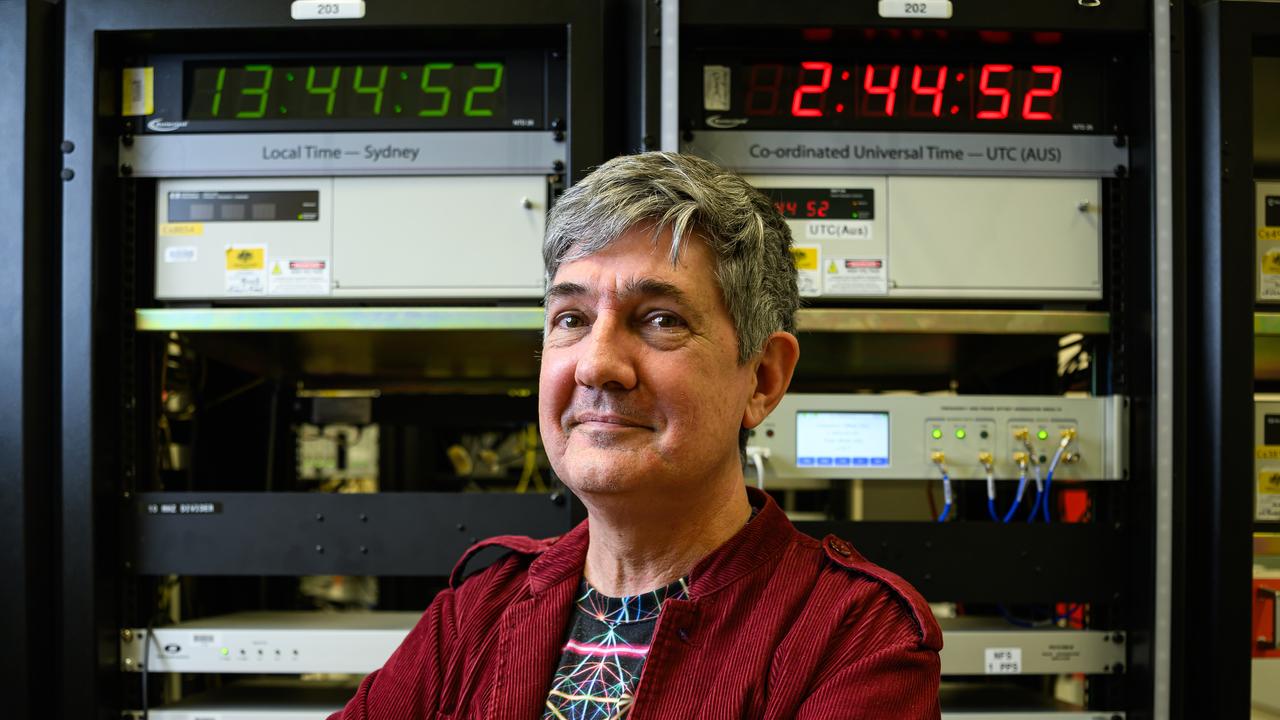
Instead of a pendulum, these blast caesium atoms with microwaves more than nine billion times a second.
A luxury wristwatch might set you back ten grand, but these machines each cost up to $140,000.
“They’re not all that expensive considering their lifetime,” Dr Wouters told AAP.
There is no central world clock, meaning co-ordinated universal time (UTC) – the global standard – is just the average of hundreds of atomic clocks in government labs.
Their time is broadcast with the help of people like Harlan Stenn, who manages the open-source software distributing time to computers from his spare bedroom in Oregon, mostly by himself.
Mr Stenn is barely audible over the six-foot rack of computers towering and whirring over his desk.
“You wouldn’t believe my electricity bill,” he told AAP.

Down in California, Australian-born Kim Davies helps oversee the time zone database, which translates Dr Wouters’ UTC into more than 300 local offsets.
“(The system) is notable for the fact it’s not notable,” he told AAP.
“It’s silent, and automatic, and that’s what’s most of interest to it.”
He says governments aren’t always proactive in reporting time zone changes, including daylight saving, with people’s unpredictability sometimes baffling computers.
“Time zone policy has been set by very human things,” he says.
Airlines, banks, telecoms operators and makers of precisely calibrated measuring instruments also need atomic time, which skips a beat only once every 100 million years.
Nevertheless, there is a market for better clocks.
“There are about 400 clocks that contribute to UTC … ours are very ordinary,” Dr Wouters says.
“There are new clocks that are about 100 to 1000 times better.”
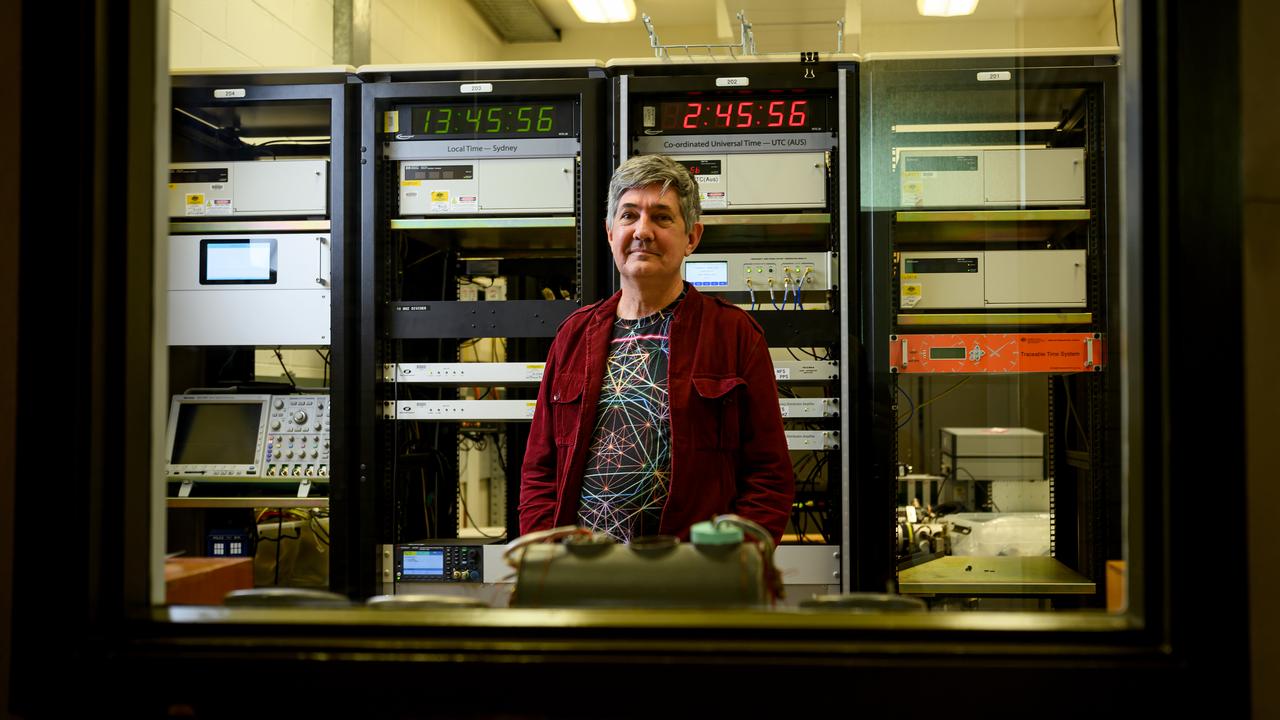
Time marches relentlessly forward, but these clocks – more than 20 years old and using 1950s technology – are also monuments to time stood still.
Even the furniture in the National Measurement Institute, where Dr Wouters has served for 29 years, looks frozen in the 1970s, the complex itself a retro brutalist icon.
And all those years are still not enough for scientists to settle on what time actually is, according to Dr Wouters.
“It’s one of those things … physicists haven’t quite agreed on,” he told AAP.
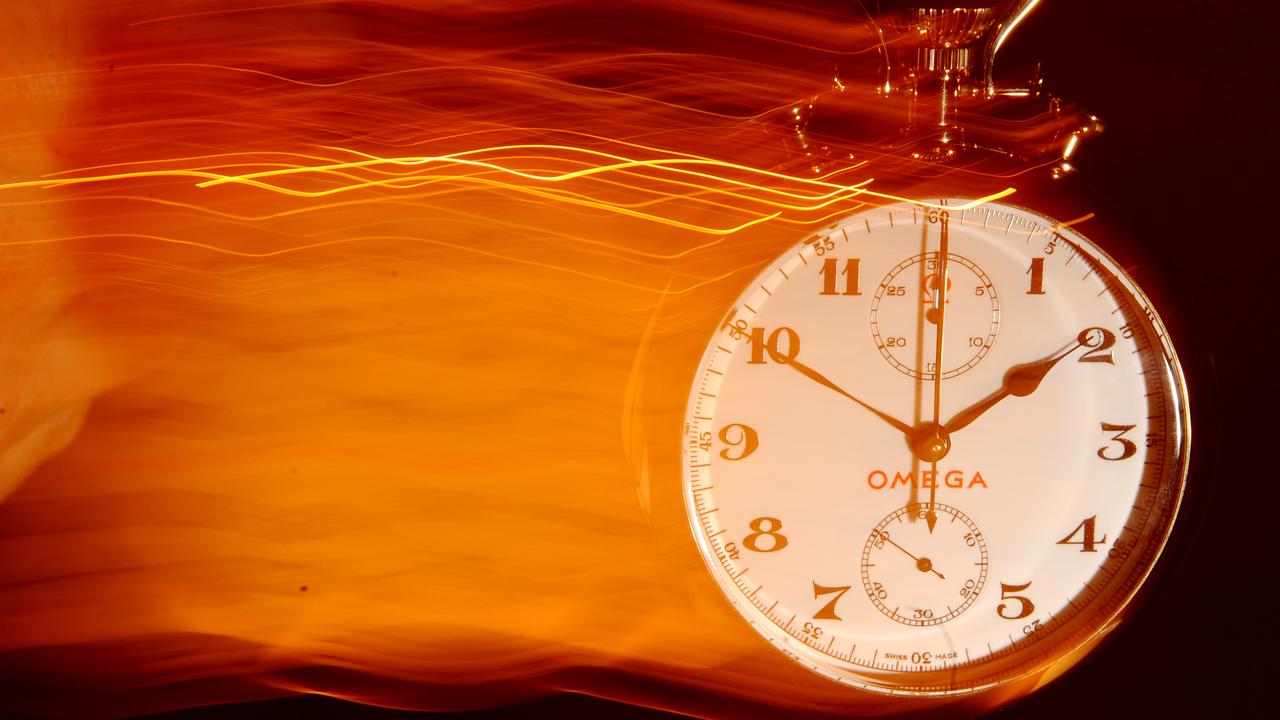
He won’t be drawn on that thorny issue himself, content to tinker away at the system which keeps modern life in sync.
Thanks to him, the Stenn software and the Davies database, the twice-yearly need to adjust watches has reduced to an intermittent nuisance for the few who maintain analog wristwear.
Not that you’ll see time moving on the wrist of Australia’s chief timekeeper.
“It’s a point of honour in standards of time and frequency not to have a watch,” Dr Wouters said.
When not in sight of an atomic clock, he checks the time on his phone.

Australian Associated Press is the beating heart of Australian news. AAP is Australia’s only independent national newswire and has been delivering accurate, reliable and fast news content to the media industry, government and corporate sector for 85 years. We keep Australia informed.