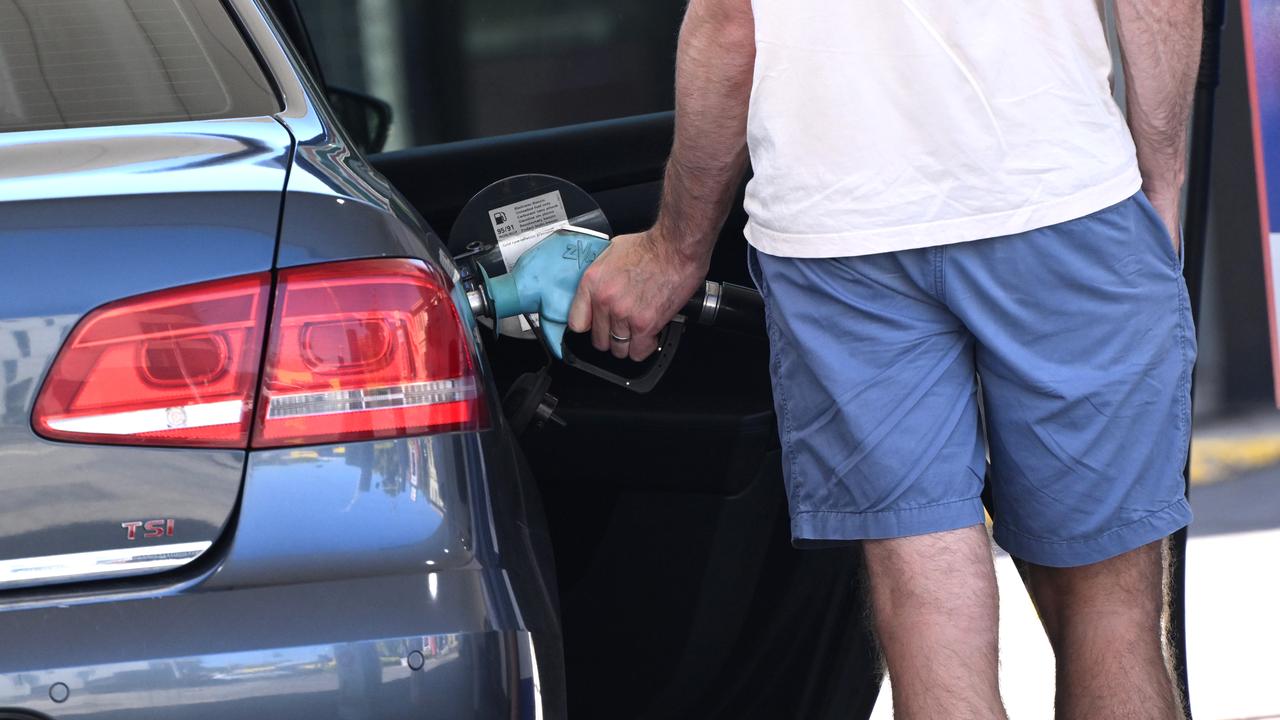
Service stations are reporting increasing levels of staff abuse as price shocks from the war in the Middle East ripple through global markets.
Customers desperate for petrol or frustrated with high prices were taking it out on workers behind the counter, Motor Trades Association interim executive director Peter Jones, who represents independent service stations, told AAP.
“We’ve had a lot of reports of service station attendants and staff being harassed,” he said.

“They are not the people that make the price. They are the people who serve somebody who’s just bought it.
“In rural areas where there is no fuel, whether it be diesel or petrol, emotions are relatively high … we’ve asked for people to be respectful,” he said.
Mr Jones said he had received reports of an uptick in fuel siphoning, where petrol or diesel was stolen directly from a car’s tank.
“That’s something I haven’t heard of for a long time … it came as a surprise to me,” he said.
Concerns about siphoning had so far been confined to Hobart, Mr Jones said, but he warned uncertainty about when the war would end had driven up demand for fuel around the country.
Energy Minister Chris Bowen announced on Thursday more than 500 million litres of petrol and diesel were being released from emergency stockpiles into regional Australia.
“Ships continue to arrive in Australia with petrol and diesel on them … the refineries are working full pelt at maximum capacity to get petrol and diesel out to Australians,” he told reporters in Brisbane.
State and federal governments have also appointed former Australian Energy Regulator boss Anthea Harris to oversee a fuel supply task force.
The consumer watchdog has taken the unusual step of announcing an investigation into Ampol, BP, Mobil and Viva Energy over allegations of price gouging in regional areas.
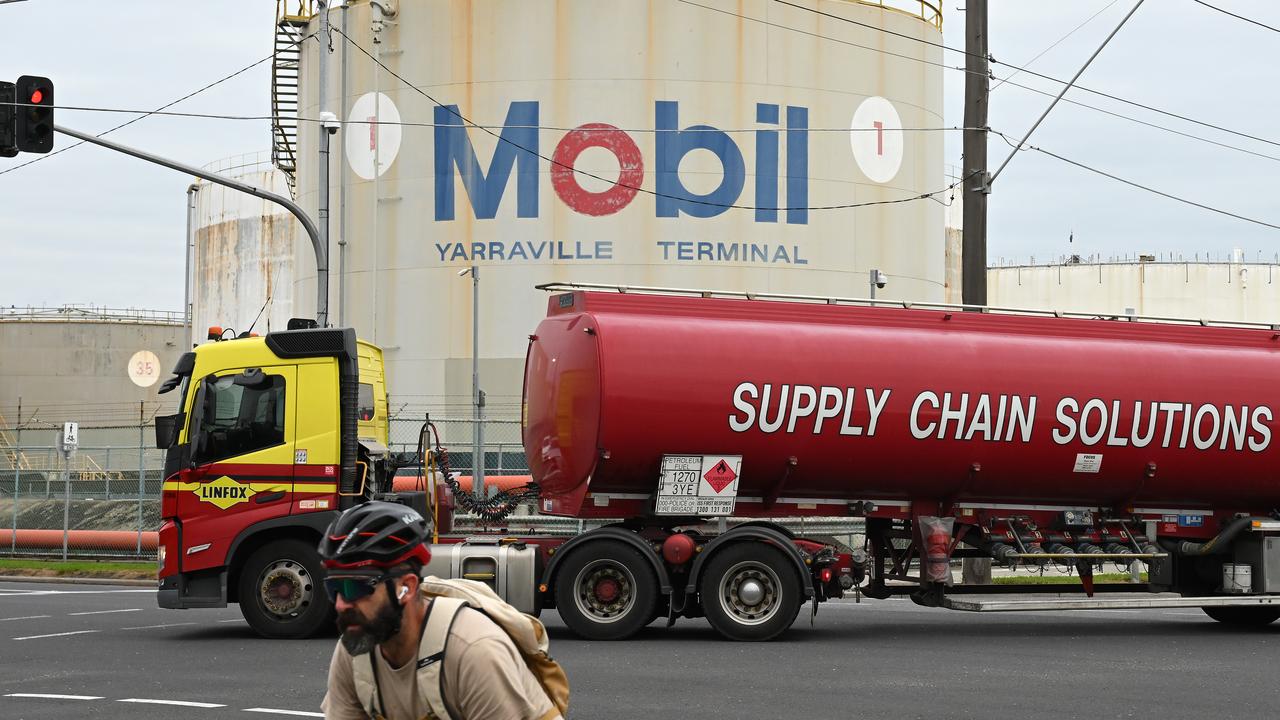
Australian Competition and Consumer Commission investigations are not usually publicly announced.
Commission chairwoman Gina Cass-Gottlieb said the probe was still at a preliminary stage and her agency had yet to form a view.
Mr Jones said the smaller independent service stations he represented were only making a few cents a litre and dealing with massive wholesale cost increases.
“So what somebody might think of as price gouging, it’s just handing on the increase of price or cost to them,” he said.

Australian Associated Press is the beating heart of Australian news. AAP is Australia’s only independent national newswire and has been delivering accurate, reliable and fast news content to the media industry, government and corporate sector for 85 years. We keep Australia informed.