Iran says the world should be ready for oil at $US200 a barrel as its forces hit merchant ships and the International Energy Agency recommended a massive release of strategic reserves to dampen one of the worst oil shocks since the 1970s.
The war unleashed with joint US and Israeli airstrikes nearly two weeks ago has so far killed about 2000 people, mostly Iranians and Lebanese, as it has spread into Lebanon and thrown global energy markets and transport into chaos.
Despite what the Pentagon has described as the most intense air strikes since the start of the war, Iran also fired at Israel and targets across the Middle East on Wednesday, local time, demonstrating it can still fight back.
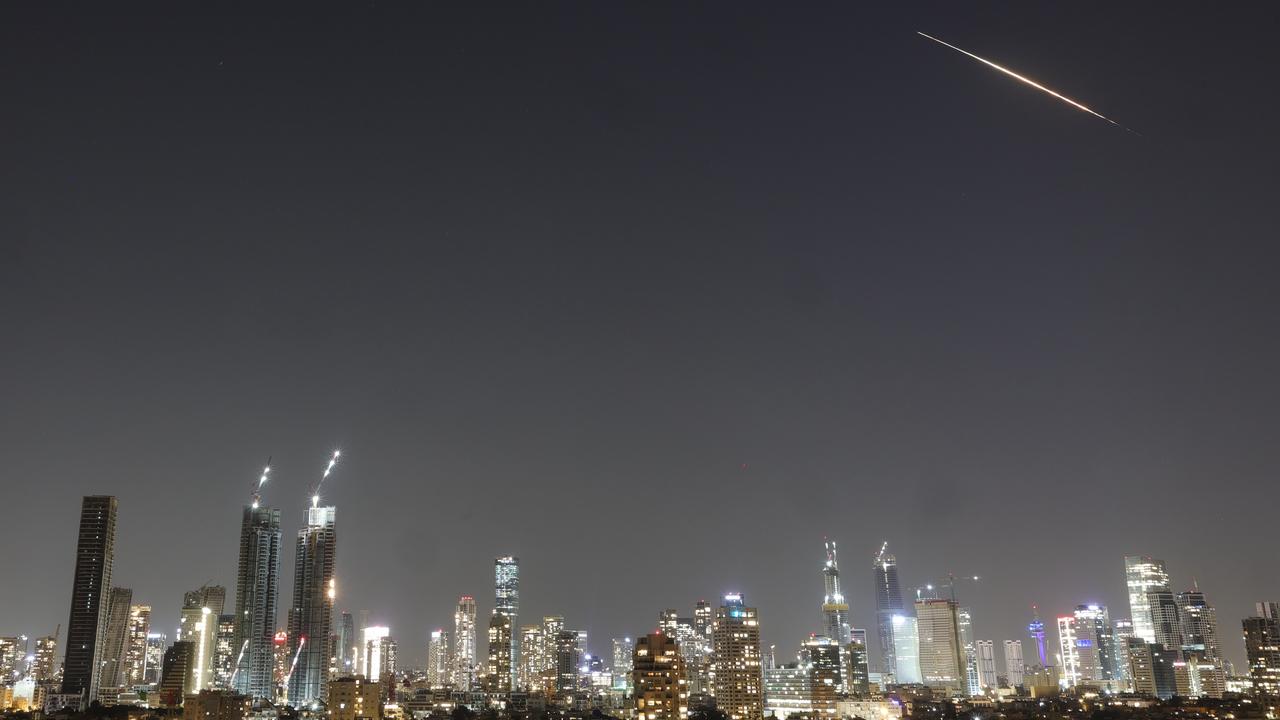
Three vessels were reported to have been hit in Gulf waters as Iran’s Revolutionary Guards said their forces had fired on ships that had disobeyed their orders.
US President Donald Trump, who has not committed to a timeline for military operations, suggested on Wednesday he was not yet ready to call an end to the war.
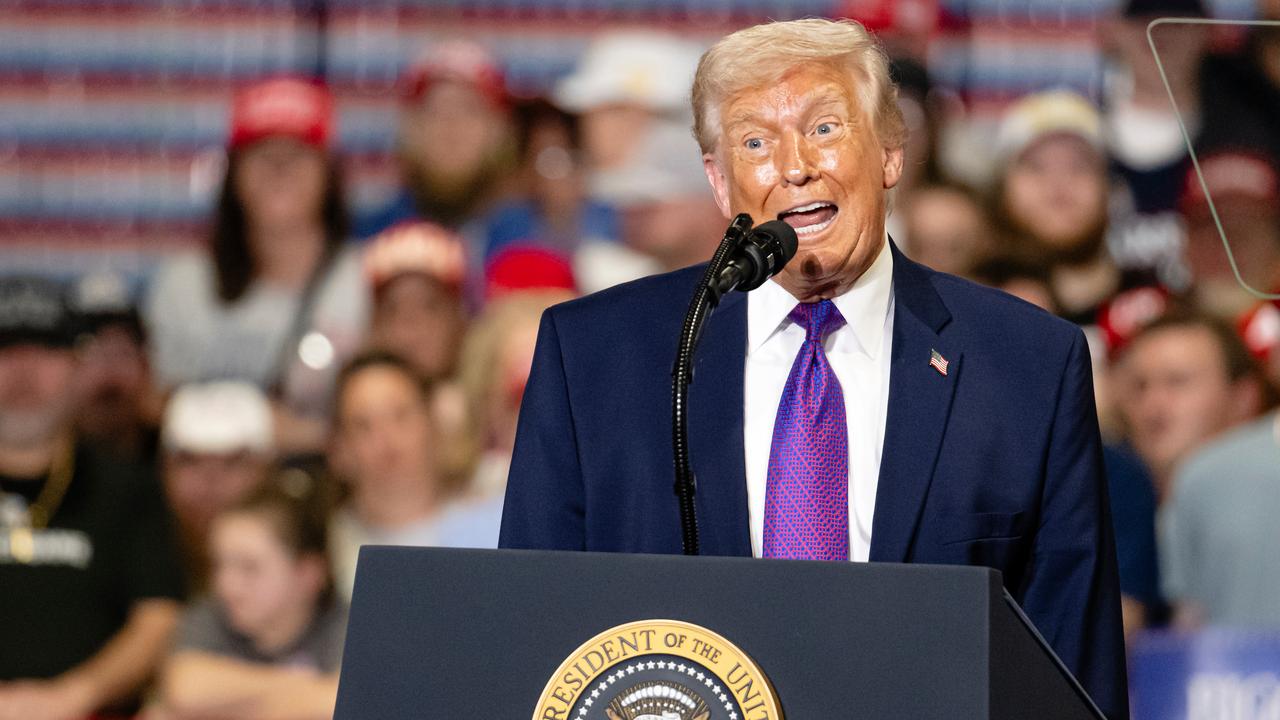
At a rally in Kentucky, he said “we won” the war, but the United States didn’t want to have to go back every two years.
“We don’t want to leave early, do we?” he said. “We got to finish the job.”
Trump said US forces had knocked out 58 Iranian naval ships and that oil prices would come down and told reporters in Washington that Iran was “pretty much at the end of the line”.
“Doesn’t mean we’re going to end it immediately, but … They’ve got no navy, they’ve got no air force, they’ve got no anti-air traffic anything. They have no systems of control. We’re just riding free range over that country,” he said.
Trump said the US would now “look very strongly” at the Strait of Hormuz, a now-blockaded channel along the Iranian coast that serves as a conduit for around a fifth of the world’s oil
“The straits are in great shape. We’ve knocked out all of their boats. They have some missiles, but not very many.”
An Iranian military spokesperson said the strait was “undoubtedly” under Iran’s control.
On Wednesday, the G7 group of nations – the US, Canada, Japan, Italy, Britain, Germany and France – agreed to examine the option of providing escort for ships so they can navigate freely in the Gulf.
Oil prices, which shot up earlier in the week to nearly $US120 a barrel before settling back to around $US90, rose nearly five per cent on Wednesday, US time.
The International Energy Agency, made up of major oil-consuming nations, recommended releasing 400 million barrels from global strategic reserves to stabilise prices, the biggest such intervention in history, which was swiftly endorsed by Washington.
US Energy Secretary Chris Wright said Trump had authorised the release of 172 million barrels from the US Strategic Petroleum Reserve from next week.
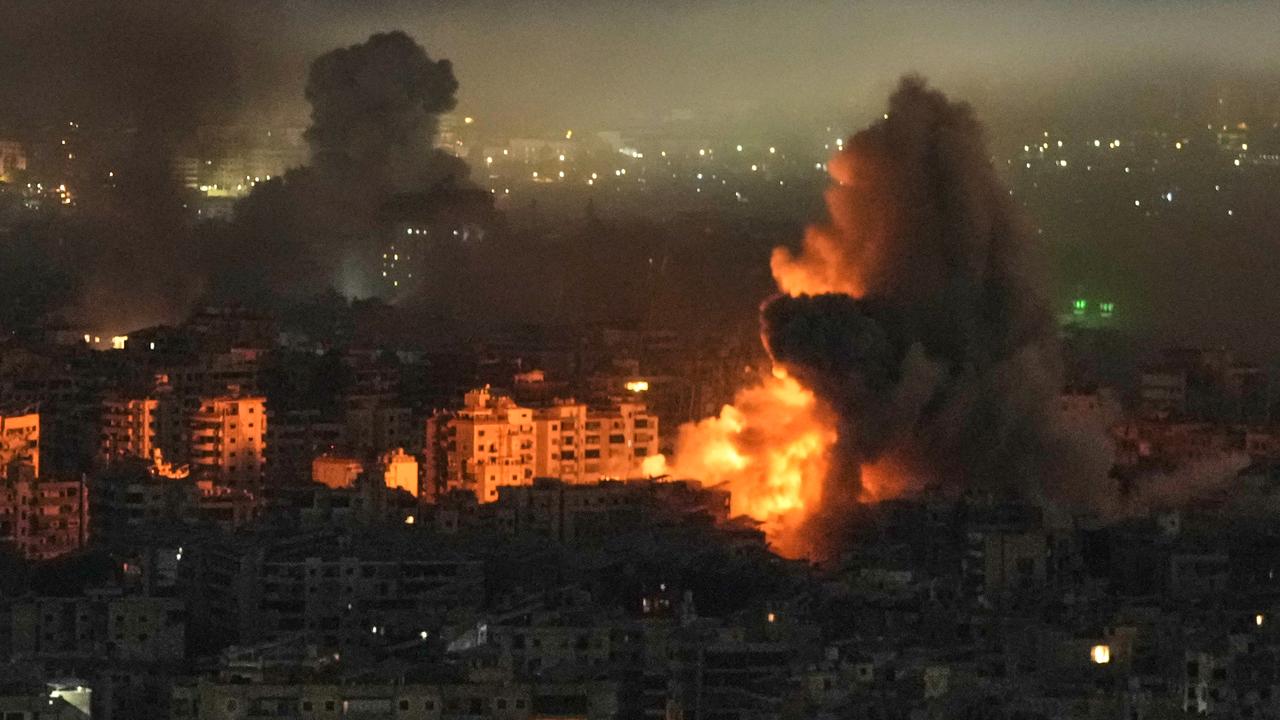
Iranian officials made clear on Wednesday they intended to impose a prolonged economic shock.
“Get ready for oil to be $200 a barrel, because the oil price depends on regional security, which you have destabilised,” Ebrahim Zolfaqari, spokesperson for Iran’s military command, said in comments addressed to the US.
Four people were wounded after two Iranian drones hit near Dubai International Airport in the United Arab Emirates, though flights continued, the Dubai Media Office said.
At Oman’s Port of Salalah, firefighters battled a blaze at fuel storage tanks after days of Iranian attacks, according to the Oman News Agency.
At sea, a Thai-flagged bulk carrier was set ablaze, and a Japanese-flagged container ship and a Marshall Islands-flagged bulk carrier were also reported to have sustained damage.
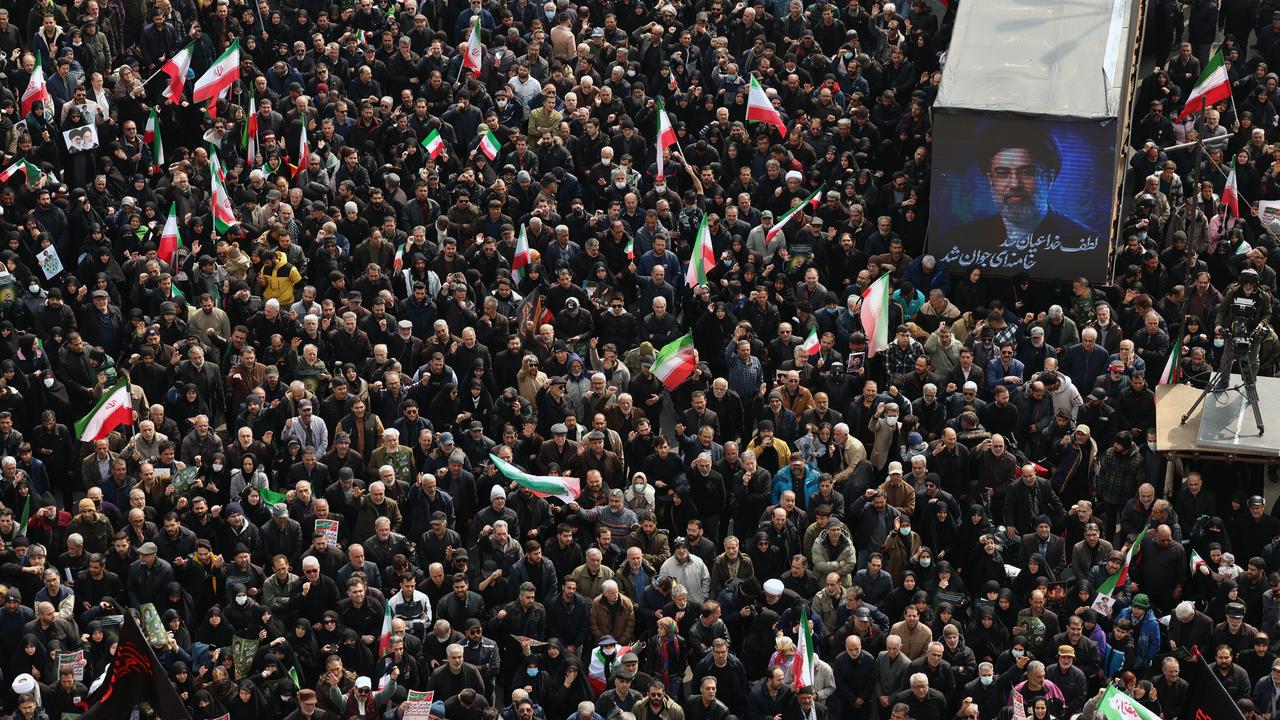
In Iran, huge crowds took to the streets for funerals for top commanders killed in airstrikes, carrying portraits of slain Supreme Leader Ayatollah Ali Khamenei and his son and successor, Mojtaba.
An Iranian official told Reuters Mojtaba Khamenei had been lightly wounded early in the war, when airstrikes killed his father, mother, wife and a son.
With AP

Australian Associated Press is the beating heart of Australian news. AAP is Australia’s only independent national newswire and has been delivering accurate, reliable and fast news content to the media industry, government and corporate sector for 85 years. We keep Australia informed.