
Treasurer Jim Chalmers faces a renewed push to reform capital gains taxes, with pressure mounting from economic think tanks, anti-poverty advocates and even the NSW government to make the system fairer for all Australians.
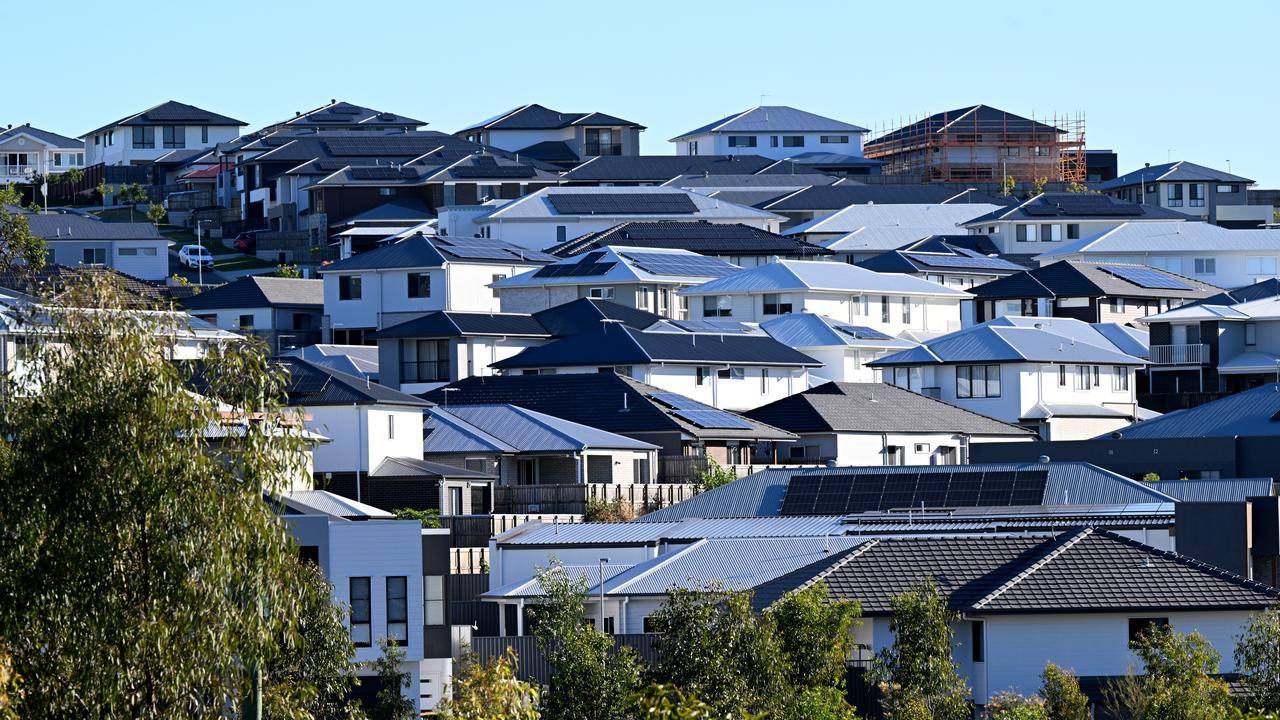
Critics argue a Howard-era change to the way profits on investments are taxed has turbocharged housing prices and worsened inequity in Australia by increasing the burden on less wealthy individuals.
Because capital gains are partially eaten up by inflation, some form of tax discount is warranted, but the current method is both inequitable and inefficient and should be replaced with a fairer approach, the e61 Institute think tank said in a submission to a Greens-led Senate inquiry.

Prior to 1999, individuals only had to pay tax on capital gains above inflation.
But since then, all capital gains have received a much more generous 50 per cent discount on assets held longer than 12 months.
That has resulted in preferential tax treatment for – often wealthy – asset owners at the expense of asset-poor working Australians, e61 researchers Matt Nolan and Matt Maltman said.
Instead of the current discount, individuals should be allowed to spread their tax liability over the life of the asset rather than being charged for a single year, they argue.
“Income averaging would ensure that taxpayers with similar lifetime income would pay similar tax rates regardless of whether they earn regular wages or have a volatile one-off gain,” Mr Maltman said.
This method would lead to higher taxation on high-income earners’ capital gains, while reducing tax paid on interest and dividend income, he said.
But independent think tank the Grattan Institute and the Australian Council of Social Service (ACOSS) called for the discount to simply be reduced to 25 per cent, phased in over five years.
ACOSS said the current discount encouraged speculative investment and excessive household debt.
NSW Treasury said the capital gains discount had incentivised investors to pile into the housing market, contributing to rising property prices and declining home ownership.
Since 1994, lending to investors has increased by 1001 per cent to $139 billion, while first-home buyer lending increased by just 520 per cent to $64 billion.

“There is a strong case for reviewing the CGT discount to ensure it is fit for purpose, supporting fairness, efficiency, and sustainable economic outcomes, and better aligning with contemporary housing and equity objectives,” NSW Treasury said in its submission.
But Robert Carling, a senior fellow at centre-right think tank the Centre for Independent Studies, argued for the current system to be retained.
The concession should go beyond simply allowing for inflation, the current 50 per cent discount was simple and well understood, and it accounted for very little growth in home prices compared to supply shortages, he said.
The Senate committee is due to present its final report by March 17.

Australian Associated Press is the beating heart of Australian news. AAP is Australia’s only independent national newswire and has been delivering accurate, reliable and fast news content to the media industry, government and corporate sector for 85 years. We keep Australia informed.