

The Australian Labor Party has drifted from its historic purpose. This is the first in a six part series by Andrew Brown on Labor’s retreat from reform and what it means for Australia.
Power unused in the face of injustice is not restraint.
It is a choice.
Labor once believed government existed to shape the economy in the service of people. Power was not something to apologise for or tiptoe around. It was something to use. Redistribution was not excess. It was obligation. Stability was not the goal. It was the consequence of justice.
That clarity has thinned.
Today, Labor governs as if the economy must never be disturbed, even when its stillness crushes the lives beneath it. Inequality is acknowledged, measured, and politely discussed, but rarely confronted. Markets are soothed while living standards erode. The language of fairness remains. The practice recedes.
This is not a question of intent.
It is a question of purpose.
The light on the hill was never poetry. It was instruction. Government existed to lift the living standards of working people and restrain capital when it became predatory. Winning elections was not the aim of power. It was the consequence of using it properly.
That belief once anchored Labor governments across eras and personalities. The policies differed. The instinct did not.
Whitlam, Hawke, Keating
Whitlam governed as if inequality were an emergency because he understood that it was. In three years he delivered universal health care, free university education, a major expansion of public housing, family law reform, cultural investment, and an independent foreign policy.
He did not ask whether markets were comfortable. He asked whether people were free.
Hawke understood that prosperity without fairness was a dead end. Medicare was entrenched. The social wage expanded. Unions were treated as central economic actors rather than tolerated obstacles. Inequality narrowed. Living standards rose broadly. Growth reached workers instead of pooling permanently at the top.
Keating was more explicit still. Markets were useful servants and terrible masters. He confronted monopoly power. He built compulsory superannuation so working people would not retire poor while capital compounded endlessly above them. Courage, he understood, was not recklessness.
Timidity was.
Whither conviction?
These governments were not perfect. They offended interests. They lost battles. They governed in conflict. But they shared a conviction that now appears diminished. Governing meant choosing sides. Reform carried risk. Power unused was power wasted.
The contrast now feels sharp because it is not abstract.
I am the son of a former Hawke cabinet minister. I grew up around those governments. I watched how decisions were made, how reform was argued for rather than apologised for, how ministers owned their portfolios and defended their policies publicly. I saw disagreement handled in the open and authority exercised without embarrassment.
This is not nostalgia.
It is lived political observation.
Those governments did not hide behind process. They did not confuse caution with wisdom. They understood that authority came from conviction and explanation, not from control. They trusted the public to engage with difficult arguments and brought them along rather than shrinking from them.
Power unused
The light on the hill never promised comfort. It promised obligation. It demanded clarity precisely when clarity carried risk. It assumed conflict and required courage. It asked governments to disturb settled arrangements when those arrangements entrenched injustice.
Labor once understood that governing meant acting, not managing. That power was held in trust, not stored for safety. That reform was rarely comfortable and almost never polite.
Power unused in the face of injustice is not restraint.
It is a choice.
And it is a choice that shapes everything that follows.
This is the first in a six part series, Light and the Hill. Brown’s essays trace how Labor’s retreat became habit, the institutional forces shaping the Party, and the lived consequences of caution while the final parts examine Australia’s posture in the region and the future of progressive governance.
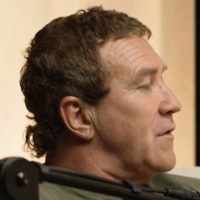
Andrew Brown is a Sydney businessman in the health products sector, former Deputy Mayor of Mosman and Palestine peace activist