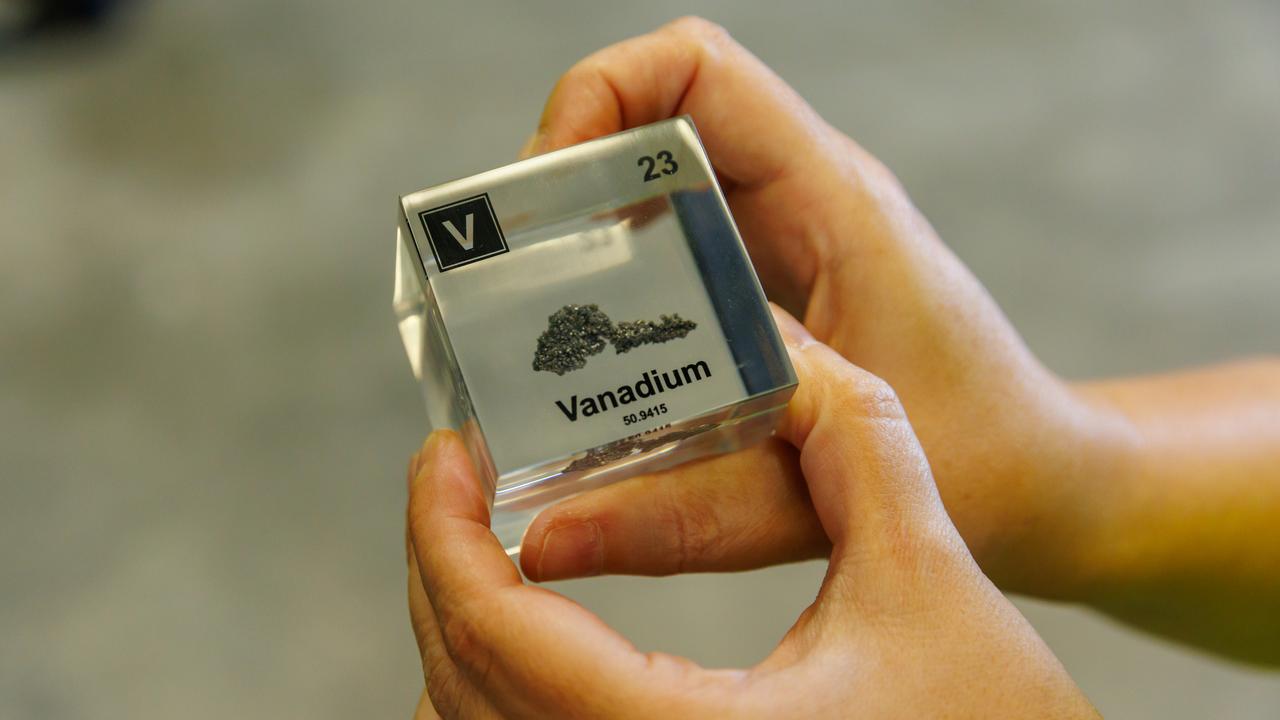

Vanadium is a strange and fascinating metal.
It’s hard, ductile and lustrous, transforming from a silvery grey to blue, yellow, green or purple upon exposure to the open air.
It can block heat and conduct electricity perfectly, defying the normal rule that materials that support electricity are also good thermal conductors.
And it could be the answer to the expanding, energy-hungry artificial intelligence infrastructure sector, with data centres rising around Australia’s major cities.
“It’s exciting – it’s, you know, a big thing at the moment,” the head of the country’s only pure vanadium play, Graham Arvidson, told AAP on the sidelines of the Diggers & Dealers Mining Forum in Western Australia.
“Data centres need a lot of energy.”
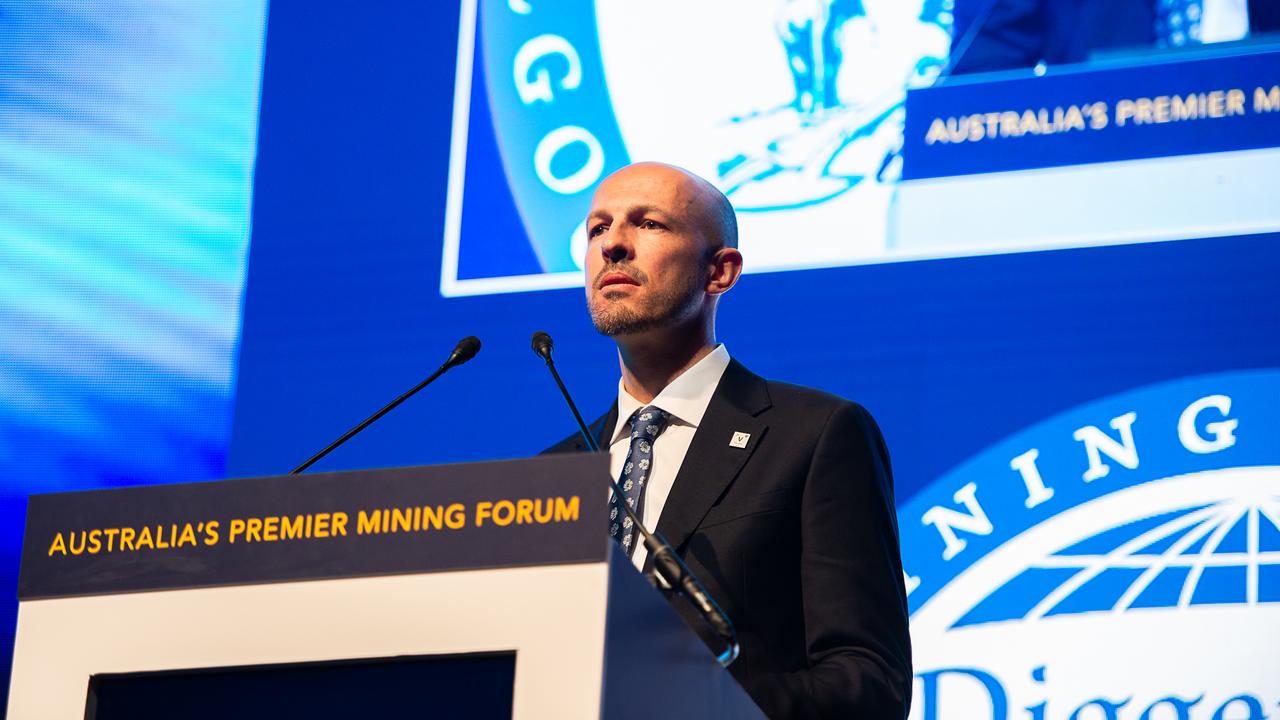
Mr Arvidson leads Australian Vanadium Ltd, a listed small-cap company with one of the largest, highest-grade vanadium-titanium-magnetite deposits in the world, alongside main market heavyweights China – which produces 60 per cent of world output – Russia, Brazil and South Africa.
It’s developing a massive vanadium project near Meekatharra in WA’s Murchison region and using its subsidiary, VSUN Energy, to deploy vanadium flow batteries for long-duration energy storage.
Vanadium batteries are quite different from better known lithium-ion batteries used in common household electronics and electric cars, bikes and scooters.
The batteries are water-based, so can’t catch fire like their lithium counterparts, and offer reliable, stable and long-life solutions for renewable energy storage and power grid management.
“With data centres, people know they need a lot of energy,” Mr Arvidson said.
“What they don’t fully realise is the energy load goes through these learning cycles … hundreds of megawatts up, hundreds of megawatts down in the span of minutes or seconds.
“But grid operators don’t like that – they don’t want to see very high power loads swinging, so data centre operators globally are asking themselves, ‘How do we deal with that’?”
Increasingly, they’re looking at vanadium flow batteries that can manage flows evenly, don’t degrade and can cycle without deleterious effects over a daily working life of 25 years or more.
“For lithium batteries, that means the battery will fail in … three or so years,” Mr Arvidson explained.
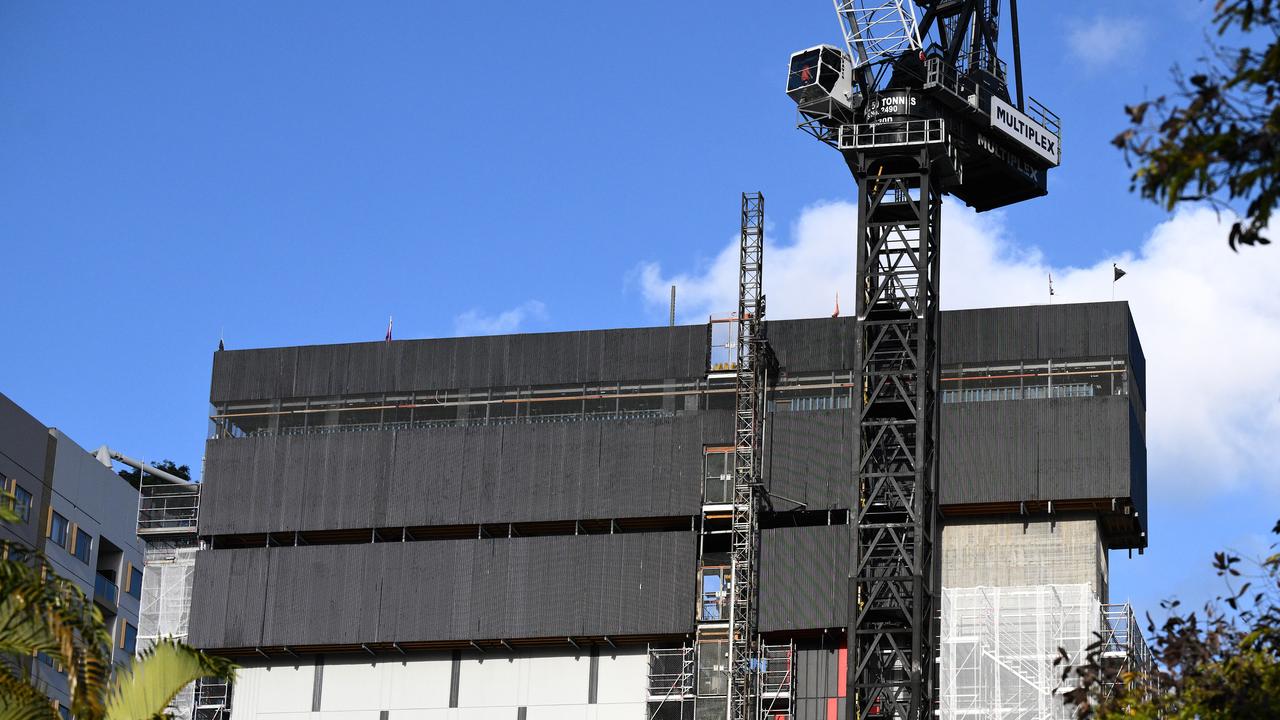
At the same time, grid operators are wary of the sheer amount of energy eaten by data centres from the same sources that power nearby homes and other businesses.
Vanadium flow batteries can ensure volatility is smoothed out while acting as backup storage that can be drained or kept full forever, albeit at a price around 40 per cent higher than a lithium-powered battery.
“It’s like the Swiss Army knife,” Mr Arvidson said. “It just does everything you need for data centre application.”
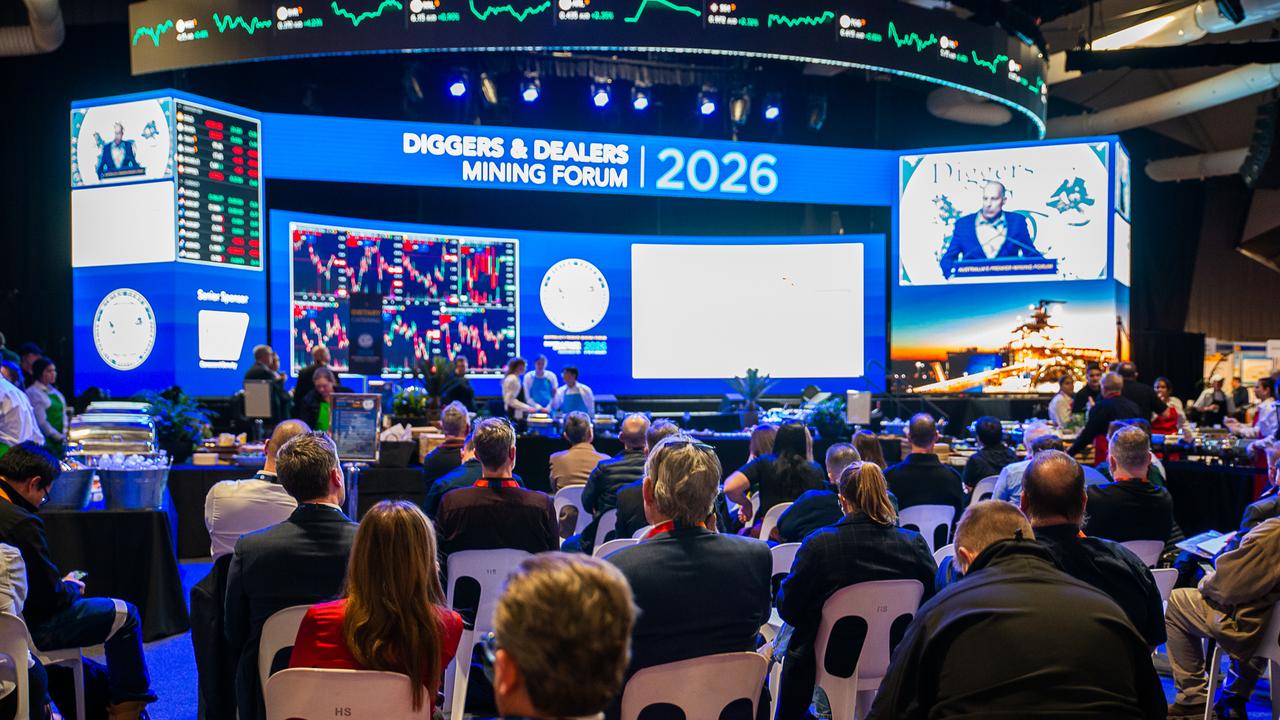
Mr Arvidson addressed 2500 delegates at the recent Diggers forum in Australia’s gold mining capital Kalgoorlie, imploring investors beguiled by the yellow metal and rare earth heavyweights who dominated proceedings at the three-day event, to “keep an eye on us”.
Asked by AAP what data centre interest the company was seeing, he said the AI infrastructure build-out was moving much faster in the US than in Australia.
“But yes, we’ve been approached by people trying to develop data centres in Australia who’d like to understand how vanadium flow batteries can help,” he added.
“One of the biggest challenges for data centres is getting community and social approval – if I were next door to a data centre, I’d probably be worried about sound and fire and energy prices going up.
“The vanadium flow battery is actually a pretty elegant solution because it can isolate the grid problem.
“It’s non-flammable, so communities that have concerns about lithium batteries catching fire (don’t have to worry because) flow batteries are made from water so, they can’t catch fire.
“So there’s a kind of social licence benefit as well as just being a really good tool for the job.”
Mr Arvidson’s ‘pit-to-battery’ company is still in the process of building its vanadium mine – which has a mineral resource estimate of 395.4 megatonnes, including 173.3Mt of high-grade ore – and currently imports vanadium oxides.
“Ultimately, what we want to do is develop the mine and be able to supply all our own oxides,” he added.
Australian Vanadium currently trades at 16 cents per share on the local stock exchange, giving it a market value of $56.3 million.
But if the pure play hits paydirt with the mine, the nation could be better for it in terms of having access to a material that adds to Australia’s energy storage and supply options, without relying on foreign imports.
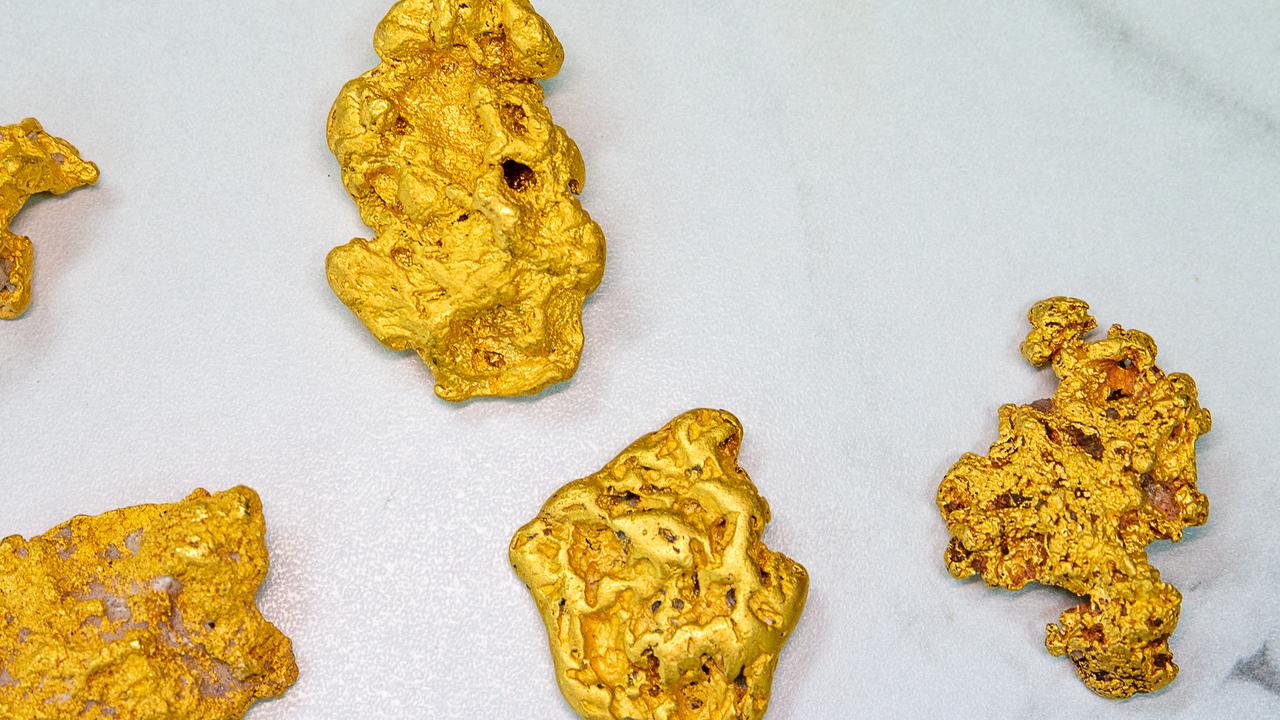
The Diggers forum, now in its 35th year, also heard a lot from gold producers excited by the current high spot price of around $US4,000 an ounce, even after slipping from its all-time record high of $US5,589.38 set on January 28.
A beauty parade of chief executives stood up to tell investors now was the time to ‘dig, baby, dig’, with the yellow metal price making plants that had been put on ice very economical.
“If you’re a gold producer, it’s a great place to be,” the head of Evolution Mining Lawrie Conway told reporters on the sidelines.
Two years ago, the long-term average consensus for gold was about $US1,800 an ounce. Now it’s more than double that.
Alkane Resource chief Nic Earner said the current price was already well above the producer’s all-in costs.
“Once you clear that point, every thousand dollars the gold price is up, we’re making another $150 million in the year.”
“It’s just phenomenal.”

Australian Associated Press is the beating heart of Australian news. AAP is Australia’s only independent national newswire and has been delivering accurate, reliable and fast news content to the media industry, government and corporate sector for 85 years. We keep Australia informed.