
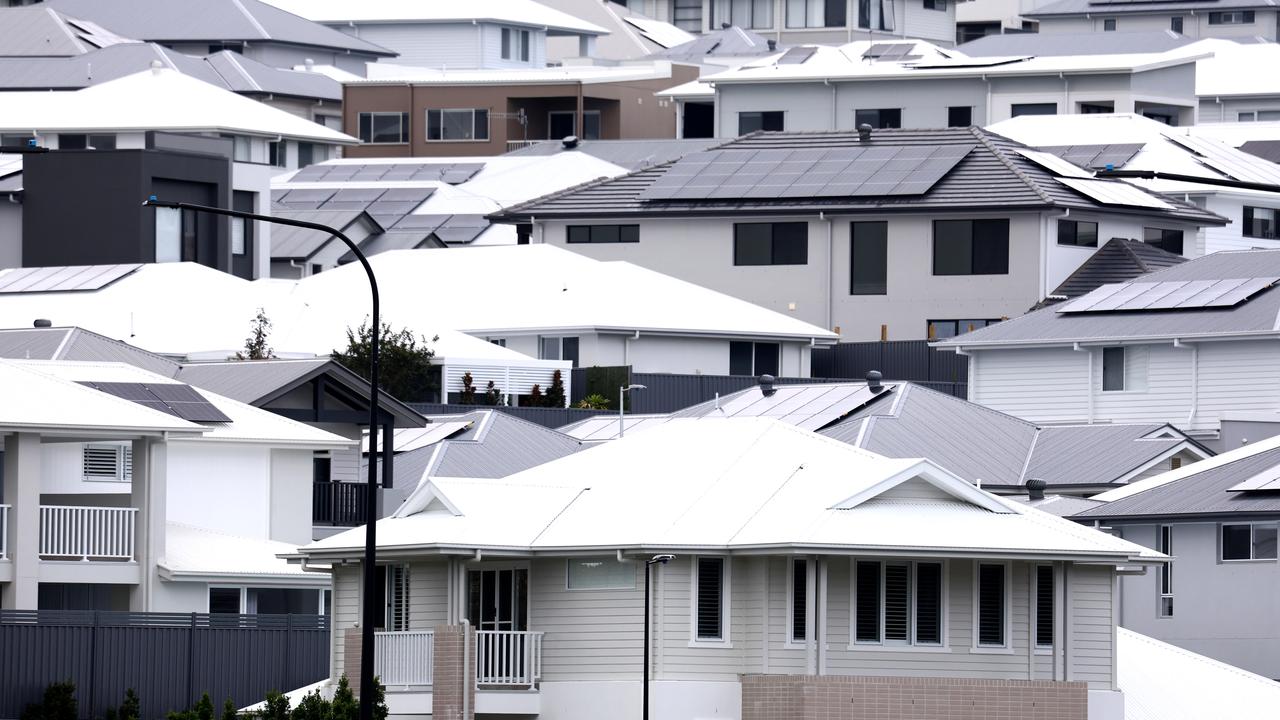
Air-conditioning units flying off shelves worries Australian urban heat expert Mat Santamouris.
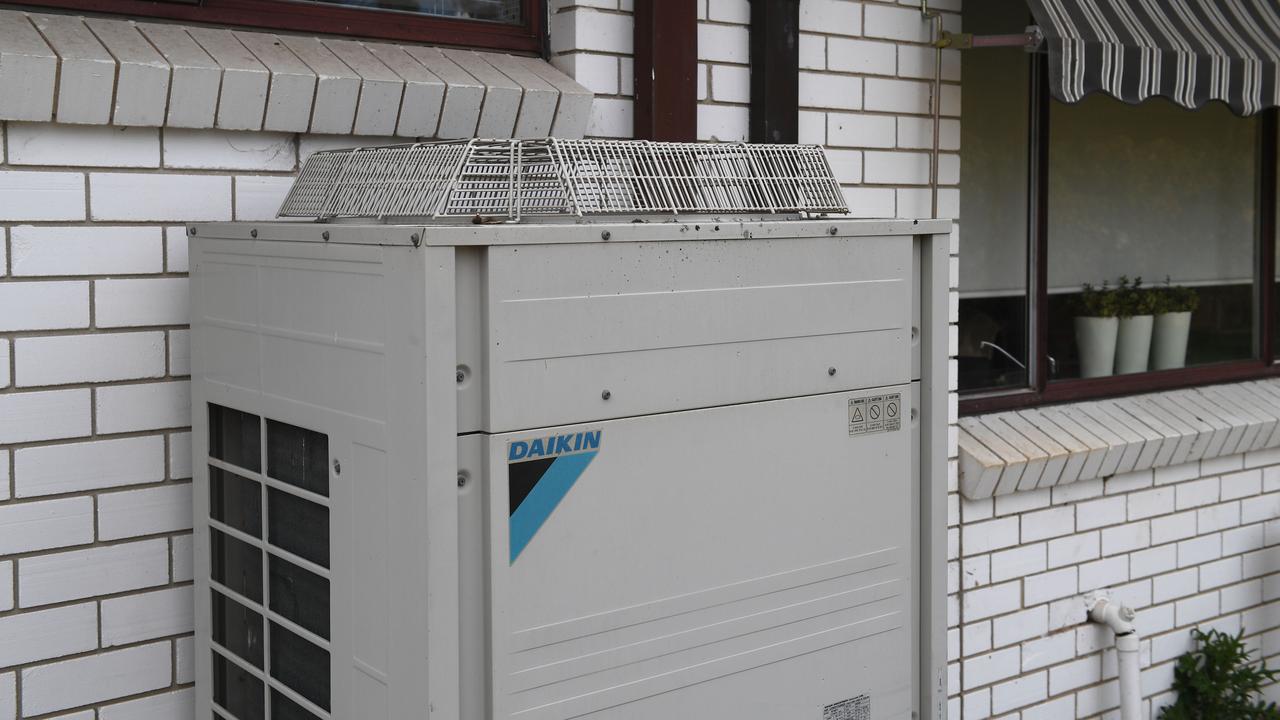
With 10 systems purchased every second worldwide, the University of NSW professor fears the cooling technology has become the default response to rising global temperatures.
“We cannot air-condition our way out of climate change,” he said.
“If every building depends entirely on mechanical cooling, we create enormous pressure on electricity systems while adding even more heat to our cities.”
Days of 40C in usually temperate European cities has brought urban heat into focus, with more frequent and severe heatwaves linked to growing atmospheric concentrations of greenhouse gases.
In Australia, an El Nino on top of global temperature rise could lead to challenging summer conditions, particularly in heatwave hotspots such as western Sydney.
Cities swelter through higher temperatures worse than surrounding farm and bushland as man-made materials such as asphalt and concrete absorb rather than reflect sun radiation.
Prof Santamouris says cities can benefit from passive cooling strategies that stop heat entering buildings, such as ventilation and sunlight-reflecting roofs, according to a global review from the academic and RMIT’s Konstantina Vasilakopoulou.
For example, research suggests widespread use of “cool roofs” – which reflect solar energy through design, colour and material choice – could lower ambient urban temperatures by about 1-2C.
Heat-reflecting roofs could further decrease peak electricity demand for cooling by 30-40 per cent, key to keeping bills lower for all users as networks cost less to operate if maximum electrical load is minimised.
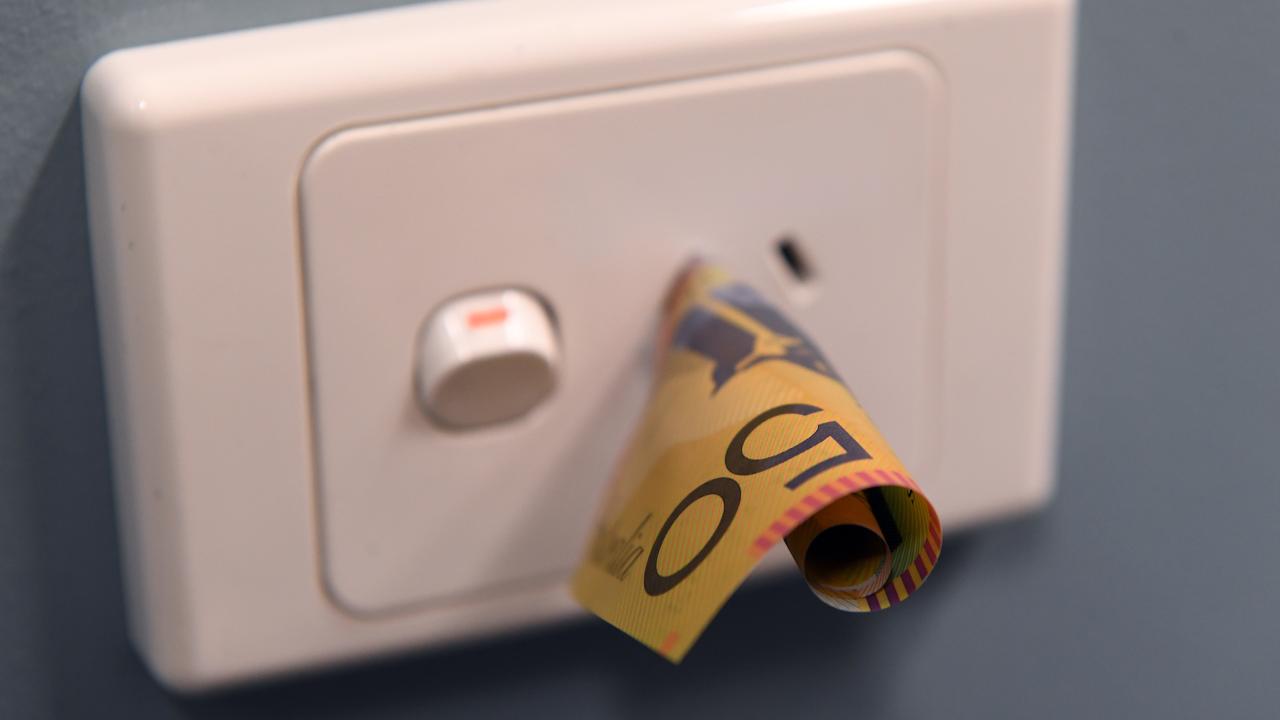
Higher electricity demand also leads to higher greenhouse gas emissions as fossil fuels are still major generation sources for most grids.
Mostly inexpensive, passive techniques can further lower mechanical cooling burdens, vital for low-income households.
Despite the benefits, Prof Santamouris says awareness of non-mechanical cooling technologies is limited and air-conditioning remains the default response in many parts of the world.
“Buying an air-conditioner is the simplest solution,” he told AAP.
While a lifesaving and critical technology, Prof Santamouris says air-conditioning should be viewed as the last line of defence against climate change, rather than the first.
“We need a whole-system approach that starts with climate-responsive building design, shading and better materials, then uses the most efficient cooling technologies only when they are really needed.”
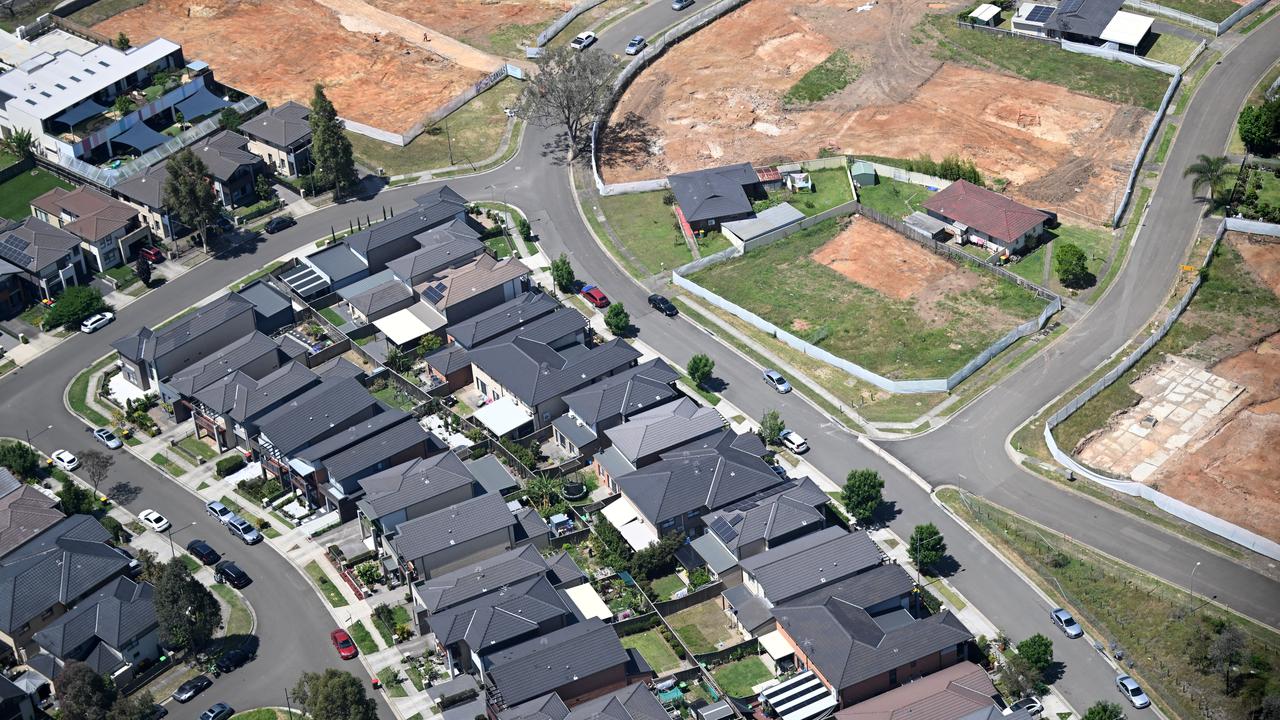
Building codes and planning policies represent opportunities for policymakers to encourage passive cooling design.
In Australia, attempts to tighten energy efficiency and other environmental requirements can face opposition from interests keen ease housing shortages with rapid new supply unhindered by regulation.
Prof Santamouris said a failure to deliver climate-adapted homes and cities proactively would cost far more in the long run.
“We have to protect our buildings. We have to protect our people.”

Australian Associated Press is the beating heart of Australian news. AAP is Australia’s only independent national newswire and has been delivering accurate, reliable and fast news content to the media industry, government and corporate sector for 85 years. We keep Australia informed.