
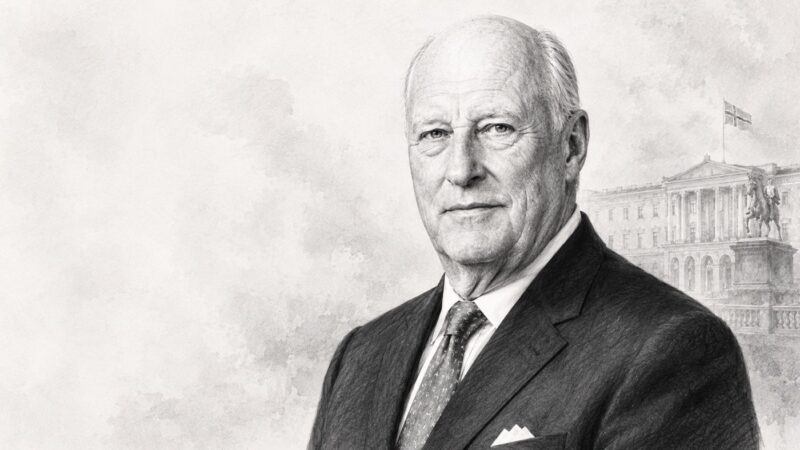
King Harald of Norway passed away on Friday. The country mourns while welcoming his son as the next regent. But will King Haakon be the last, our own (lapsed) Norwegian, Kim Wingerei asks?
When he took over from his father, the much revered and loved King Olav, in 1991, some people were unsure who he was and whether he could live up to the standard Olav had set. In his 36 years as King, he did, with more than 9 out of 10 supporting him, according to recent polls.
Judging by the outpouring of grief on social media, that support comes from all corners of Norwegian society, including from refugees and immigrants saying how they helped them feel at home in Norway.
View this post on Instagram
I am no royalist and have not lived in Norway since 1989, but King Olav and his father, King Haakon, were truly men of the people, and the Norwegian royal family was pivotal during the Second World War, which my parents’ generation endured and (mostly) survived.
Olav espoused a kindness and an affinity with his “subjects” in stark contrast to the common perception of what I’ve seen in Australia, where – amazingly – reverence is still tied to the royal throne as something otherworldly.
As people of different ages, King Harald and Queen Sonja took a somewhat different path to superiority as Norway came of age and entered unprecedented (oil & gas) prosperity, with a resulting higher standing in world affairs. But they still retained a “common touch” and the people’s support.
King Haakon, his oldest son and heir, will likely enjoy a similar level of support for a while, but his challenges will be far more profound than the trepidation his father faced.
For starters, his wife and now the queen, Mette-Marit, is facing unanswered allegations about her friendship with Jeffrey Epstein. And while the main concern Crown Prince Harald faced was wanting to marry a “commoner” in the sixties, Haakon married not just a “commoner”, but a divorcee! God forbid, but Norway does “scandal” differently; even the tabloids retain some respect.
A very royal scandal
Queen Mette-Marit had a son from her previous marriage, Marius, who in later years has come into all sorts of trouble, culminating in him being found guilty of rape and other assault charges in June this year.
He has appealed the verdict, but the taints of his character were laid bare through a very public trial and will never go away. Nor will the questions around his mother’s association with Epstein.
However, through it all, the King-to-be has managed to navigate some almost impossibly tricky waters, complicated (or perhaps aided) by the fact that Mette-Marit herself was going through very challenging medical issues and recently had a lung transplant.
Who’d want to be a royal, eh?
Royal support
Despite King Harald’s personal support, support for the Norwegian monarchy in general has dropped significantly over the past five years, falling from a historical high of over 80% to less than 60%.
In addition to the revelations about Mette-Marit’s Epstein connections and the ugly story of her son, Haakon’s older sister, Princess Märtha Louise, has been drawing criticism for disregarding an agreement not to use her title or her royal connection in commercial activities, interviews, or other public appearances.
With her second husband, Durek Verrett, a self-declared shaman, she faces more ridicule than reverence. When they married in a “private” ceremony in 2024, they sold the rights to the wedding to a British tabloid. Norwegian media described the wedding as “comical” and “embarrassing”, sparking outrage over perceived greed and “betrayal of Norwegian traditions”.
King Harald and Queen Sonja have managed to thread the very fine line between respect for their sovereign role and family with aplomb, and so far, Haakon has stayed out of the fray, too. But as King, he will have to face it.
A different legacy
As an Australian (my blue passport), I abhor the notion of us having a Head of State residing in London SW1, and I was devastated at the result of the 1999 plebiscite. However, the royal seal on my red passport still gives me some pride. I have to own that dichotomy as well as the tears shed at Friday’s announcement.
Although King Haakon will add a VIII to his name, he is merely the fourth in line of a monarchy that technically (re) started in 1905. He is named after his great-grandfather, who ascended the throne in Oslo then, following the end of the union between Sweden and Norway, under which the countries had a common king. (Norway gained its independence in 1814, its constitution a model for many later democracies.)
King Haakon VII was a Danish prince, and he became King of Norway after the Norwegian people voted overwhelmingly to end the union. Beyond being unhappy about having no control over foreign policy, fun-loving Norwegians also took issue with the Swede’s lack of humour (not much has changed there). The superior taste of Danish pastries may have played a role, too.
More to the point, unlike the Windsors’ long history of war-mongering and immeasurable riches gained through colonialism, slavery, oppression and theft, the Norwegian royalty has earned its keep by serving its people. The state looks after them well, but they have no private fortune to speak of.
What their future may be is anybody’s guess, but I, for one, wish King Haakon and Queen Mette-Marit all the best, and hope that their forebears provide a guiding light.
Today, the forecourt of the royal castle of Oslo is filled with people honouring a good man.
Postscript
King Olav was well known to have a sweet tooth, and he loved wild strawberries. So did my dad, and we had a small patch of them in our garden in the leafy suburbs of Oslo, from which mum served him in very small quantities for breakfast as they ripened.
One morning, in early July 1978, the doorbell rang.
Somewhat surprised, Mum opened the door and saw a man in a suit in front of a very official-looking car. He presented himself as the royal castle’s gardener and asked if we still had any ripe wild strawberries left. How he knew, we’ll never know, but Mum gladly picked what was there and gave it to him. They were served to King Olav for his 75th birthday.
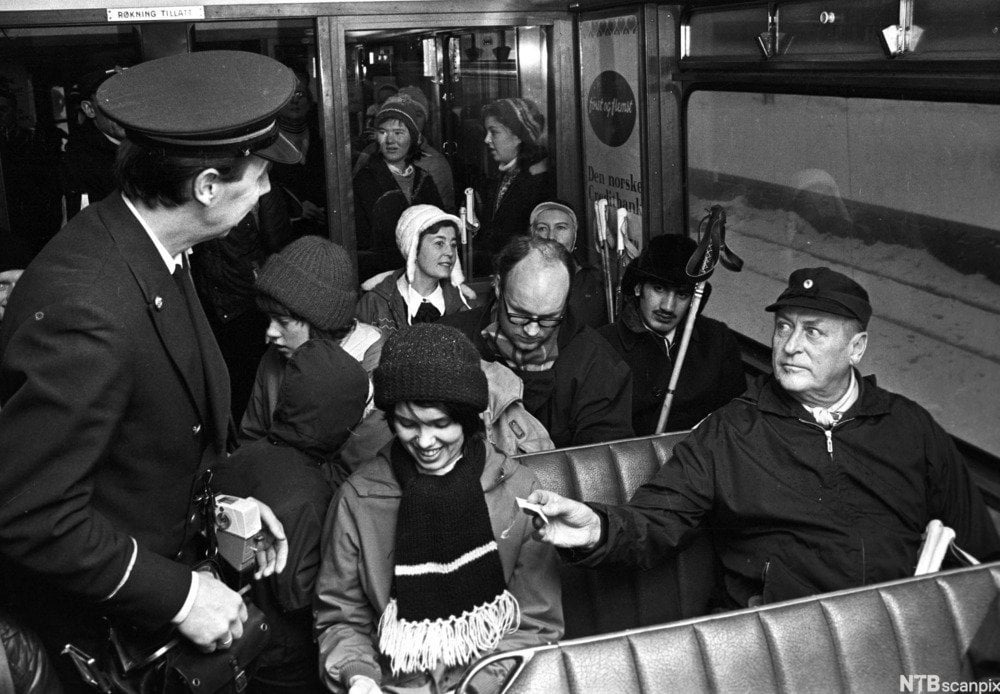
King Olav taking the train during the oil crisis in 1973
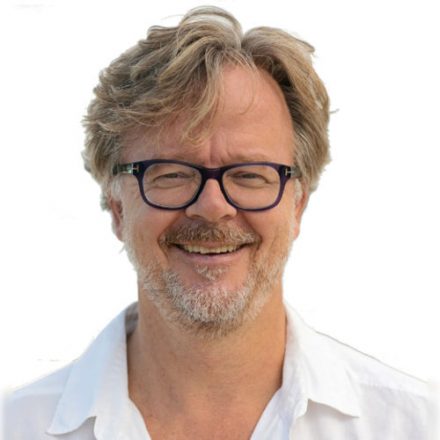
Kim Wingerei is a businessman turned writer and commentator. He is passionate about free speech, human rights, democracy and the politics of change. Originally from Norway, Kim has lived in Australia for 30 years. Author of ‘Why Democracy is Broken – A Blueprint for Change’.