
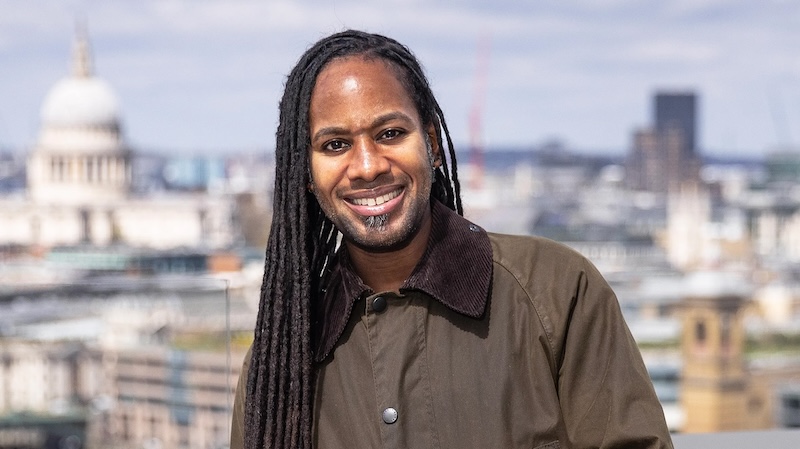

The young, autistic, black academic Jason Arday took his own life after intense media bullying. Aleta Moriarty and Michael West report.
The race wars have taken a life. Whose career could survive an establishment press onslaught of 188 articles in 9 days, 249 articles in 22 days?
Whose life?
An onslaught in the mainstream media fed the rising armies of racists on social media. Legitimised them. Millions of posts. Hate shared globally, amplified by Elon Musk and X whose algorithms reward race hate, all to serve a political point.
Jason Arday died by his own hand. And it might be wrong to blame any particular journalists, racists or political types on social media for his death. Yet there is no doubt that the avalanche of media hate directed towards this one man had led to his final act.
Sheer magnitude
Not even Arday’s detractors could credibly argue that the sheer levels of media attention were too much. Overcooked. For one man.
Arday had become the lightning rod for the UK’s race wars. They, the media – particular the Murdoch and right-wing press (Murdoch owns The Times of London) – like to pick on the man or the woman personally, to humanise their anti-DEI, anti-immigration, propaganda campaigns.
Then their campaigns become the news, personalised. In this case, The Guardian and New York Times followed the Murdoch lead, as they often do here in Australia with Rupert Murdoch’s targets too: the likes of Grace Tame, Gillian Triggs, Yassmin Abdel-Magied, Brittany Higgins, Rosie Batty, and many more.
ABC should expose News Corp’s agendas, not Labor’s “Mean Girls”
It is not that there should be no scrutiny of public figures, women, or progressives – who are the political enemy.
It is the magnitude and the savagery of it.
A savagery replicated and amped up to dangerous levels online. And then the feeble acquiescence of the progressive, or not so tabloid legacy media, in deeming that the targets of the Murdoch media attacks deserve this degree of coverage – that it is a news story worthy of publication.
Jason Arday
Jason Arday, who in 2023 became the University of Cambridge’s youngest-ever Black professor, was found unresponsive at a property in Battersea, south London, on Friday and pronounced dead at the scene. He was 41. Police have described his death as unexpected but not suspicious.
His death came little more than a week after he resigned from Cambridge following intense scrutiny over allegations of plagiarism and questions concerning parts of his academic record, in what increasingly became a personal attack and scrutiny over every aspect of his life.
The allegations concerning Arday centred on his 2015 doctoral thesis, which had previously been investigated by Liverpool John Moores University, which awarded his PhD.
That investigation did not uphold allegations of plagiarism.
Reporting on the university’s findings said the problems identified were considered capable of arising from “honest and reasonable error” rather than deliberate academic misconduct. There are many possible explanations for such errors.
The controversy was later reignited by Nathan Cofnas, whose research affiliation with Emmanuel College, Cambridge, was terminated in 2024 following controversy over his writings on race. Cofnas subsequently published allegations concerning Arday’s academic work and record.
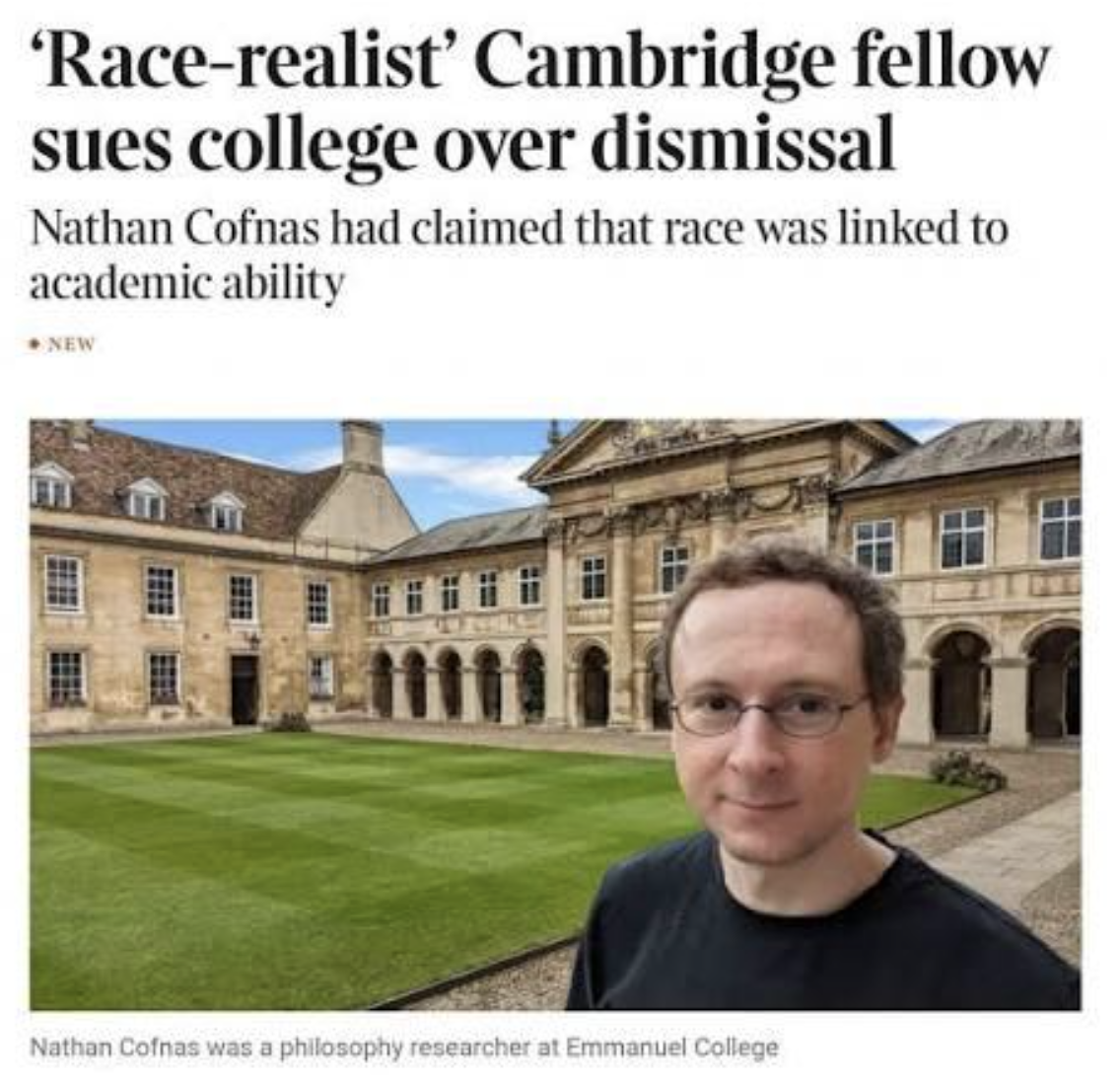
Nathan Cofnas
Cambridge eventually announced its own formal investigation. That investigation had not reached a conclusion when Arday, in the face of a relentless targeted media campaign, resigned. In announcing his departure, Arday said: “There comes a point when the personal cost becomes too great.”
What would have been a private, discrete HR matter was broadcast all over the world. The scale and tone of the scrutiny of Arday was completely disproportionate to the charge, becoming a witch-hunt for anti-DEI crusaders and racists.
Diversity backlash
Several prominent Black academics argued that Arday’s treatment reflected a wider racialised backlash against diversity in universities. So relentless was the trial by media, that claims have circulated that The Times alone published more than 60 pieces concerning Arday. So much for the presumption of innocence or procedural fairness.
Arday’s appointment had been particularly significant because Black academics remain severely underrepresented at the highest levels of British universities. Only around one per cent of professors in UK higher education are Black. Likewise Autistic people experience extremely high rates of unemployment compared to the general population in almost every country in the world.
Arday had been diagnosed Autistic in childhood with global developmental delay. He had publicly described being non-verbal until the age of 11 and learning to read and write later in adolescence. His experience also raises an important wider issue about the vulnerability of autistic people in workplace settings and bullying.
There were warnings
Before Arday’s death, Professor Sir Simon Baron-Cohen, a leading autism researcher at Cambridge, publicly warned about the effect of the coverage:
“One in four autistic people have planned or attempted suicide. That’s why I’m very concerned about the impact of the media coverage on Professor Jason Arday, who is autistic. He continues to be systematically discredited over every detail of his life, daily. We should of course always investigate plagiarism to protect academic standards. However, I cannot stand by and watch when an autistic man is on the ground and the kicking continues. This is relentless bullying of a vulnerable autistic man and raises safe-guarding issues.”
Arday’s family said they were “in shock to have lost this amazing father, partner, brother, uncle and son”. They added: “The campaign of misinformation was too much for Jason, who was a gentle man and who always wanted to see the best in everyone.”
Cambridge vice-chancellor Professor Deborah Prentice said the university was “desperately saddened” by his death and extended condolences to his family.
Jolyon Maugham of the Good Law Project, which had publicly supported Arday, questioned why the pursuit continued after his resignation. He said Arday’s death was “a tragedy”, adding: “I do not understand what the public interest was in continuing to hound him after he resigned as a professor and I do not understand what risk assessments media outlets did.”
It is a fair and important question. The relentless witch-hunt and trial by media, despite no actual findings against Arday, needs to be examined and people held to account.
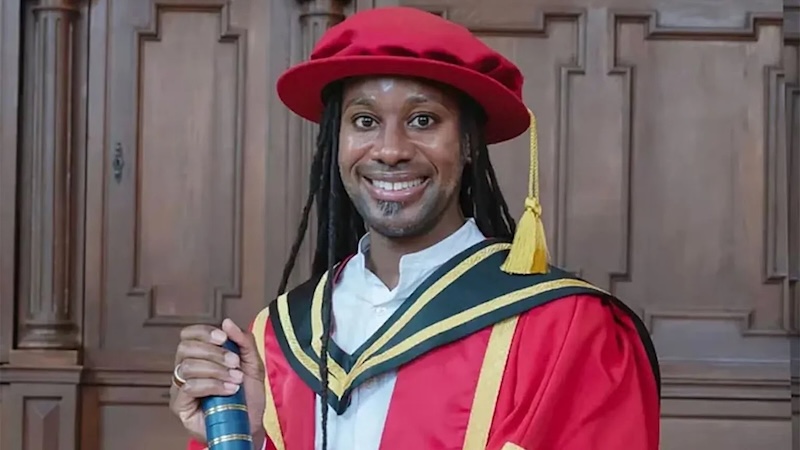
Jason Arday
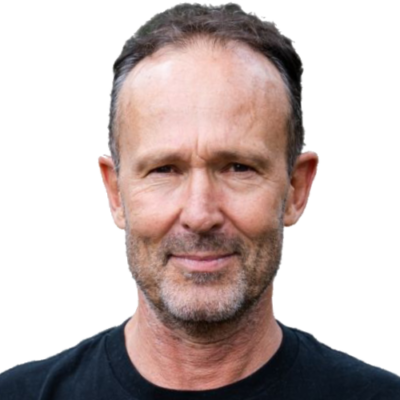
Michael West established Michael West Media in 2016 to focus on journalism of high public interest, particularly the rising power of corporations over democracy. West was formerly a journalist and editor with Fairfax newspapers, a columnist for News Corp and even, once, a stockbroker.
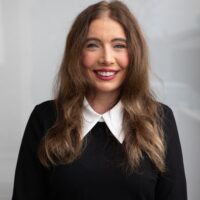
Aleta is a practitioner researcher in human rights, disability inclusion and gender. She is completing a PhD at University of Melbourne and has twenty years of experience working across agencies including the United Nations, UN Women, World Bank, and the University of Melbourne. She is currently standing as an Independent Candidate for Western Victoria. Her website is www.aletamoriarty.com